
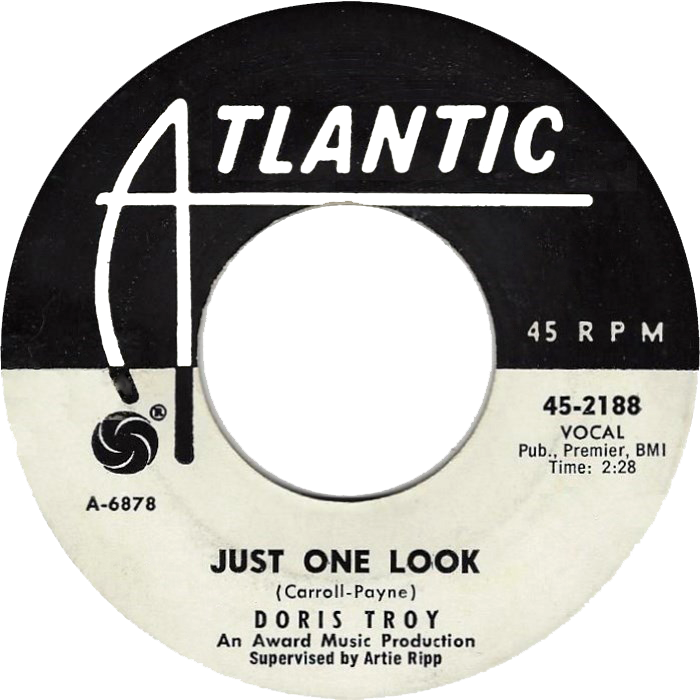

DORIS TROY
— BILLBOARD R&B Peaked #3 (1 week); debut date: JUNE 22, 1963 —
(Source: Billboard R&B/Hip Hop Singles)



DORIS TROY
— BILLBOARD R&B Peaked #3 (1 week); debut date: JUNE 22, 1963 —
(Source: Billboard R&B/Hip Hop Singles)
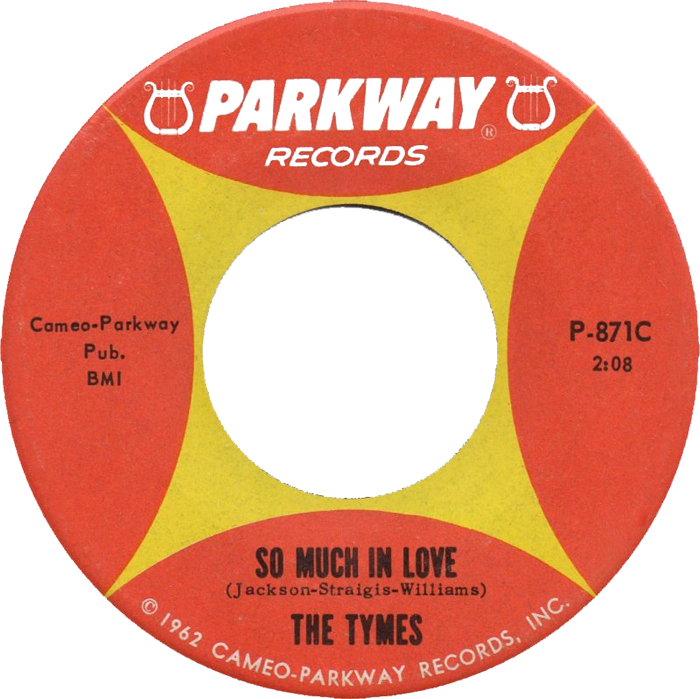
THE TYMES
— BILLBOARD R&B Peaked #4; debut date: JUNE 29, 1963 —
(Source: Billboard R&B/Hip Hop Singles)
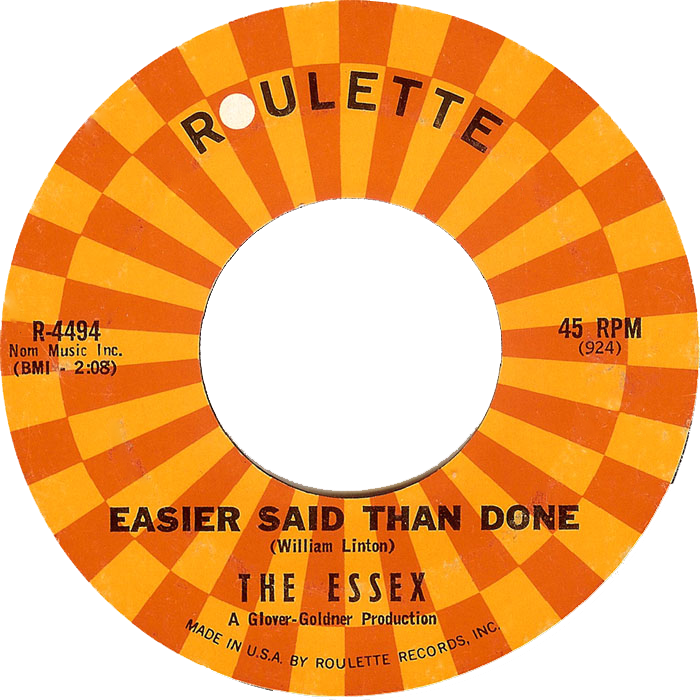
THE ESSEX
— BILLBOARD R&B Peaked #1 (2 weeks); debut date: JUNE 29, 1963 —
(Source: Billboard R&B/Hip Hop Singles)
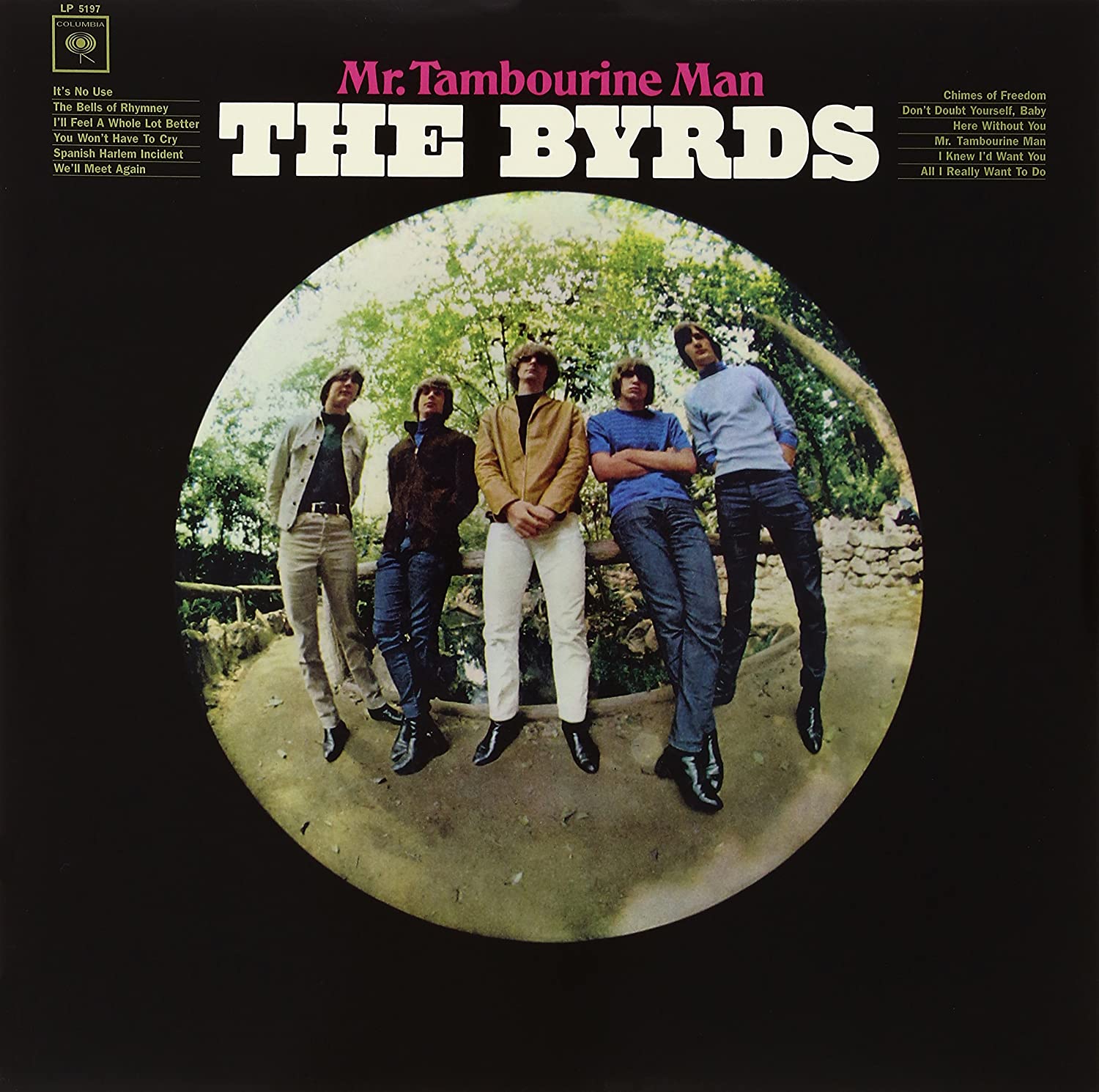


Mr. Tambourine Man is the debut studio album by American rock band the Byrds, released in June 1965, by Columbia Records. The album, along with the single of the same name, established the band as an internationally successful act, and was influential in originating the musical style known as folk rock. The term was, in fact, first coined by the American music press to describe the band’s sound in mid-1965, around the same time as the “Mr. Tambourine Man” single reached the top of the Billboard chart. The single and album also represented the first effective American challenge to the dominance of the Beatles and the British Invasion during the mid-1960s.
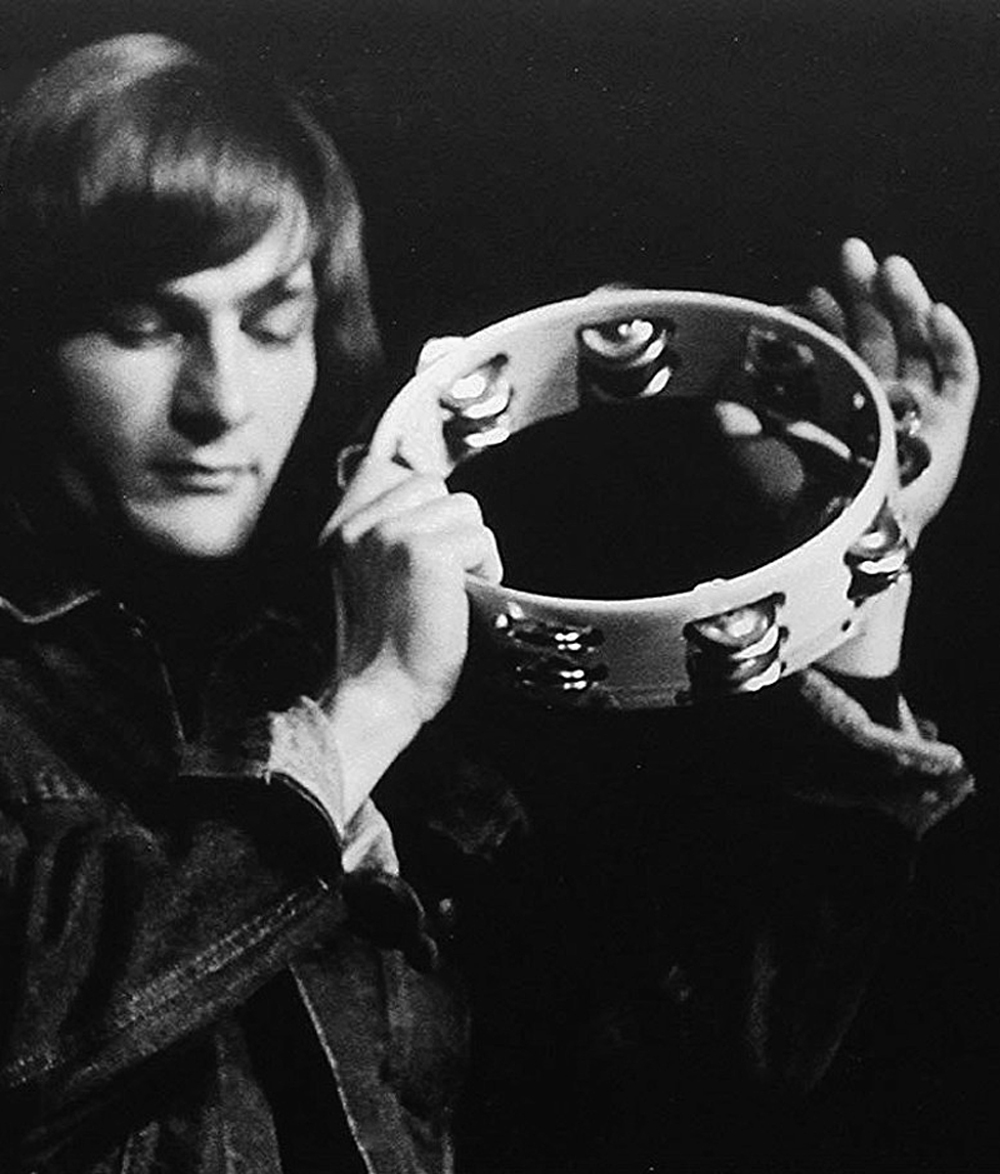
The album peaked at number six on the Billboard Top LPs chart and reached number seven in the United Kingdom. The Bob Dylan penned “Mr. Tambourine Man” single was released ahead of the album in April 1965, reaching number one on the Billboard Hot 100 and the UK Singles Chart. The second single “All I Really Want to Do“, also a Dylan cover, was moderately successful in the US, peaking at #40, but fared better in the UK, where it reached at #4.
Mr. Tambourine Man was released on June 21, 1965 in the United States and peaked at number 6 on the Billboard Top LPs chart, during a chart stay of 38 weeks, and reached number 7 in the United Kingdom, spending a total of 12 weeks on the UK albums chart. The preceding single of the same name was released on April 12, 1965 in the U.S. and May 15, 1965 in the UK, reaching number 1 on both the Billboard Hot 100 and the UK Singles Chart. A second single taken from the album, “All I Really Want to Do”, peaked at number 40 on the Billboard Hot 100, but fared better in the United Kingdom, where it reached number 4.
In the months following the release of the Mr. Tambourine Man album, many acts began to imitate the Byrds’ hybrid of a British Invasion beat, jangly guitar playing and poetic or socially conscious lyrics. The band’s influence can be heard in many recordings released by American acts in 1965 and 1966, including the Turtles, Simon & Garfunkel, the Lovin’ Spoonful, Barry McGuire, the Mamas & the Papas, Jefferson Airplane, We Five, Love, and Sonny & Cher.
This jangly, folk rock sound that was pioneered by the Byrds on Mr. Tambourine Man has also been influential on successive generations of rock and pop musicians, including such acts as Big Star, Tom Petty and the Heartbreakers, R.E.M., the Church, Hüsker Dü, the Long Ryders, the Smiths, the Bangles, the Stone Roses, The La’s, Teenage Fanclub, the Bluetones, Wilco, and Delays among others.
The Byrds, formed in 1964, comprised of band-mates Jim McGuinn, Gene Clark, David Crosby, Chris Hillman and Michael Clarke.
(A side note, Mr. Tambourine Man, the single, hit the #1 spot on the WKNR Music Guide, in Detroit, June 9, 1965.)
*****
Source: (see) Mr. Tambourine Man (Album); Wikipedia
*****
A MCRFB LINK: Here is a Guardian “Rock’s Back Pages” article, from the July 17, 1965 issue of Melody Maker, published in the U.K., titled, ‘Behind Byrdmania‘.
The piece was published on Wednesday, July 15, 2015, in commemoration of the group’s 50th anniversary of The Byrd’s debut LP release in 1965, ‘Mr. Tambourine Man’.
This article was written by none other than the famed, former Beatles’ press spokesman, Derek Taylor.



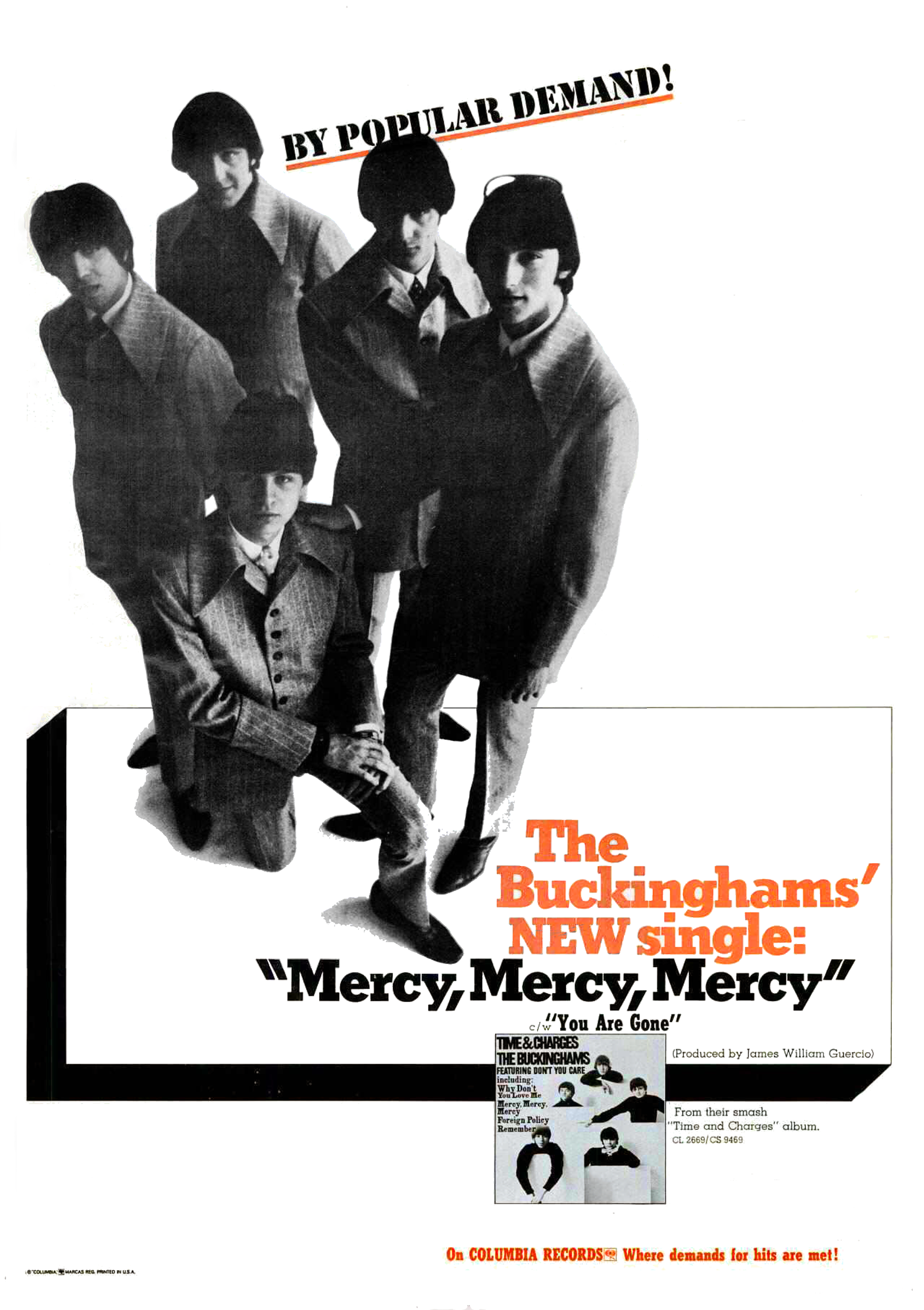

THE BUCKINGHAMS on COLUMBIA RECORDS
—1967—
On your PC? Click on ad image 2x for largest detailed size.
On your mobile device? Tap over featured image. Open to second window. “Stretch” across your device screen to magnify for larger print view.

The above Billboard (6/10/67) ad was digitally imaged and restored by Motor City Radio Flashbacks

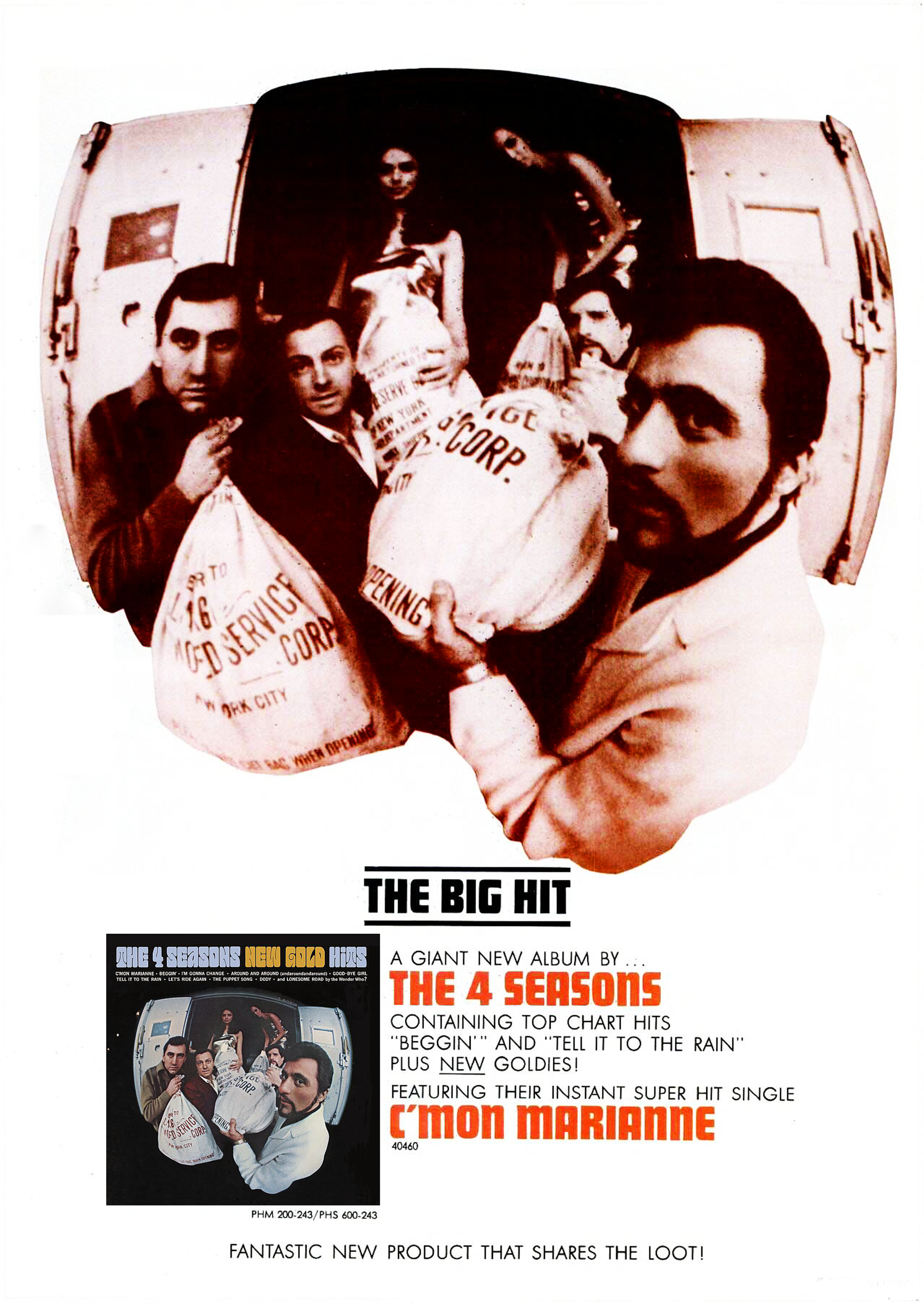
BILLBOARD | JUNE 1967
_______________
ON YOUR PC? Click on ad image 2x for largest detailed view.
ON YOUR MOBILE DEVICE? Tap over featured image. Open to second window. “Stretch” across your device screen to magnify for larger print view.
_______________

The above Billboard (6/10/67) ad was digitally re-imaged and restored by Motor City Radio Flashbacks



WJOI 97 * 1987 * THE SOUNDS OF JOY FM (Mark Taylor)


*****
NEW! WJOI aircheck date WEDNESDAY, FEBRUARY 18, 1987
 WWJ 97.1 became ‘the sounds of beautiful music’ on the FM dial in Detroit in 1971.
In August 1981, WWJ-FM applied and petitioned the FCC for a call letter change, WJOI. Granted, WJOI officially became JOY FM on Thursday, December 17, 1981.
Owned by the Detroit-based Evening News Association, CBS Radio paid a reported $25,000,000 for WWJ-AM and its sister FM station WJOI in May 1989.
CBS’ WJOI-FM became the new WYST-FM, 6 AM, on Friday, September 2, 1994. Ditching its noted ‘beautiful music’ sound, the format instead was changed to a ‘soft-rock favorites’ format.
Before the end of its FM run in 1994, The ‘Sounds of Beautiful Music’ was heard for over 23 years in the Motor City.
On the AM side, WWJ-AM retained its all-news format, broadcasting regional and national news, sports, weather — 24 hours today — on AM 950 in Detroit.
Today, 97.1 FM is licensed with the calls letters, WXYT – branded “97.1 The Ticket” – a commercial sports radio station serving Metro Detroit and much of Southeast Michigan.
The station is owned by Entercom, with studios located in the nearby suburb of Southfield, and a transmitter site on Southfield’s eastern side.
(Source: Detroit Free Press; Wikipedia)

—ACKNOWLEDGEMENT—
A special THANK YOU to our senior contributor, Greg Innis, of Livonia, MI., for donating this WJOI-FM audio aircheck to the Motor City Radio Flashbacks archive.
The above featured WJOI aircheck was audio enhanced by Motor City Radio Flashbacks.



___
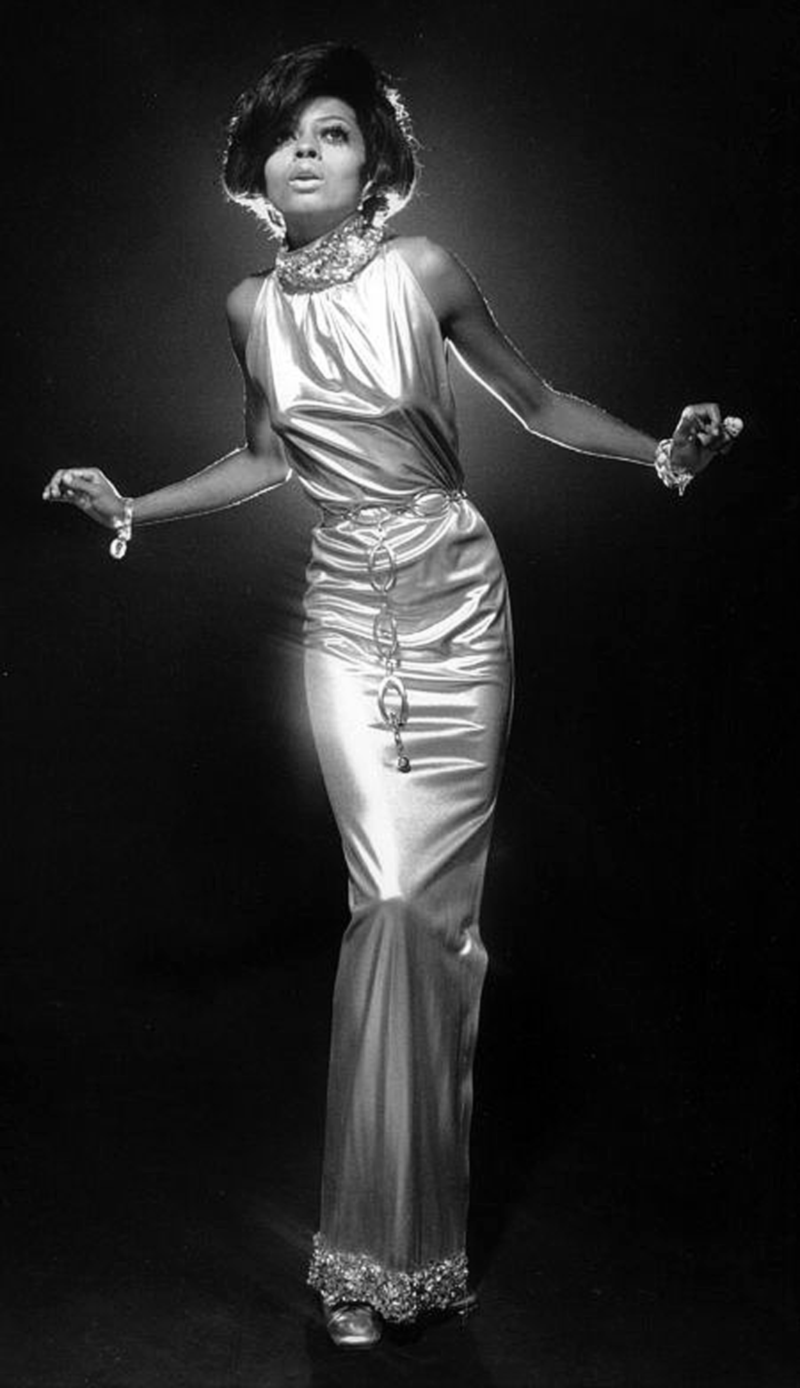
Diana Ross (born March 26, 1944) was born and raised in Detroit, Michigan, Ross rose to fame as the lead singer of the vocal group The Supremes, who during the 1960s became Motown’s most successful act, and are the best-charting female group in US history, as well as one of the world’s best-selling girl groups of all time.
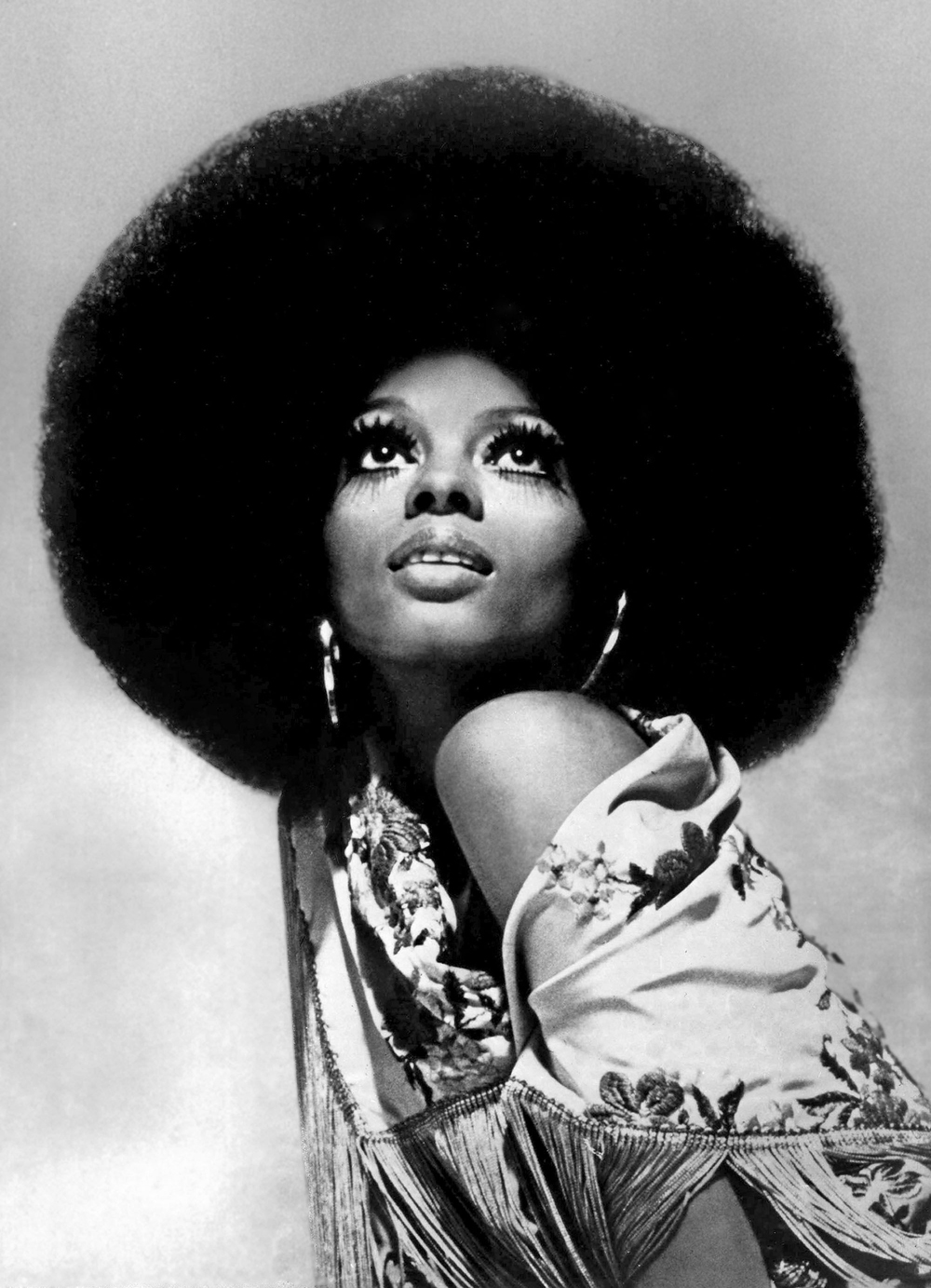
The group released a record-setting twelve number-one hit singles on the US Billboard Hot 100: “Where Did Our Love Go”, “Baby Love”, “Come See About Me”, “Stop! In the Name of Love”, “Back in My Arms Again”, “I Hear a Symphony”, “You Can’t Hurry Love”, “You Keep Me Hangin’ On”, “Love is Here and Now You’re Gone”, “The Happening”, “Love Child”, and “Someday We’ll Be Together”.
Following her departure from the Supremes in 1970, Ross released her eponymous debut solo album that same year, featuring the No. 1 Pop hit “Ain’t No Mountain High Enough”.
In May 1970, Ross released her eponymous solo debut, which included her signature songs, “Reach Out And Touch (Somebody’s Hand)” and “Ain’t No Mountain High Enough”, the latter becoming Ross’ first number-one solo single. Follow-up albums, Everything Is Everything and Surrender came out shortly afterwards. In 1971, the ballad “I’m Still Waiting” became her first number-one single in the UK
She later released the album Touch Me in the Morning in 1973; its title track was her second solo No. 1 hit.
She continued a successful solo career through the 1970s, which included hits albums like Mahogany and Diana Ross and their No. 1 hit singles, “Theme from Mahogany” and “Love Hangover”, respectively.
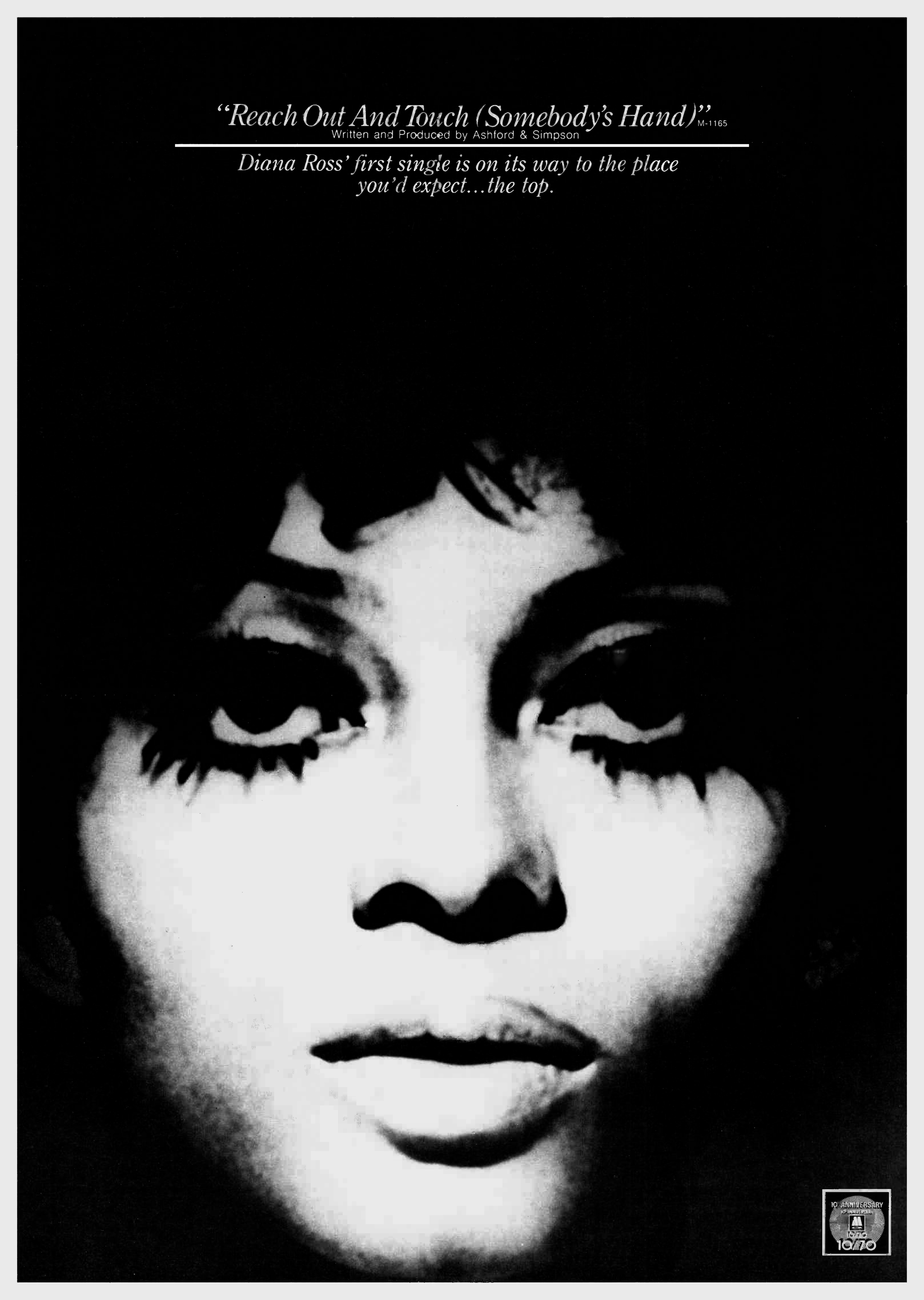
“Reach Out and Touch (Somebody’s Hand)” is the debut solo single of singer Diana Ross, released in April 1970.
___
Source: Diana Ross; Wikipedia
Reach Out And Touch (Somebody’s Hand) * acapella


—DIANA ROSS—
*****
Released May 2, “Reach Out And Touch (Somebody’s Hand)” peaked at #7 (charted 9 total weeks R&B overall) on the Billboard R&B chart in 1970. B-side: “Dark Side Of The World”
MOTOWN 1165 (Source: Billboard Top R&B Singles)



REACH OUT AND TOUCH (SOMEBODY’S HAND) [INST.; AUDIO ENHANCED] * DIANA ROSS
