THIRTEEN WEEKS overall on the singles pop charts, “Do Wah Diddy Diddy” by Manfred Mann peaked at #1 this week (2 weeks) on the Billboard Hot 100. Beginning October 11 through week ending, October 24, 1964. (Source: Billboard)
For our previous Billboard 1964 Number One U.S.A. Hits go HERE
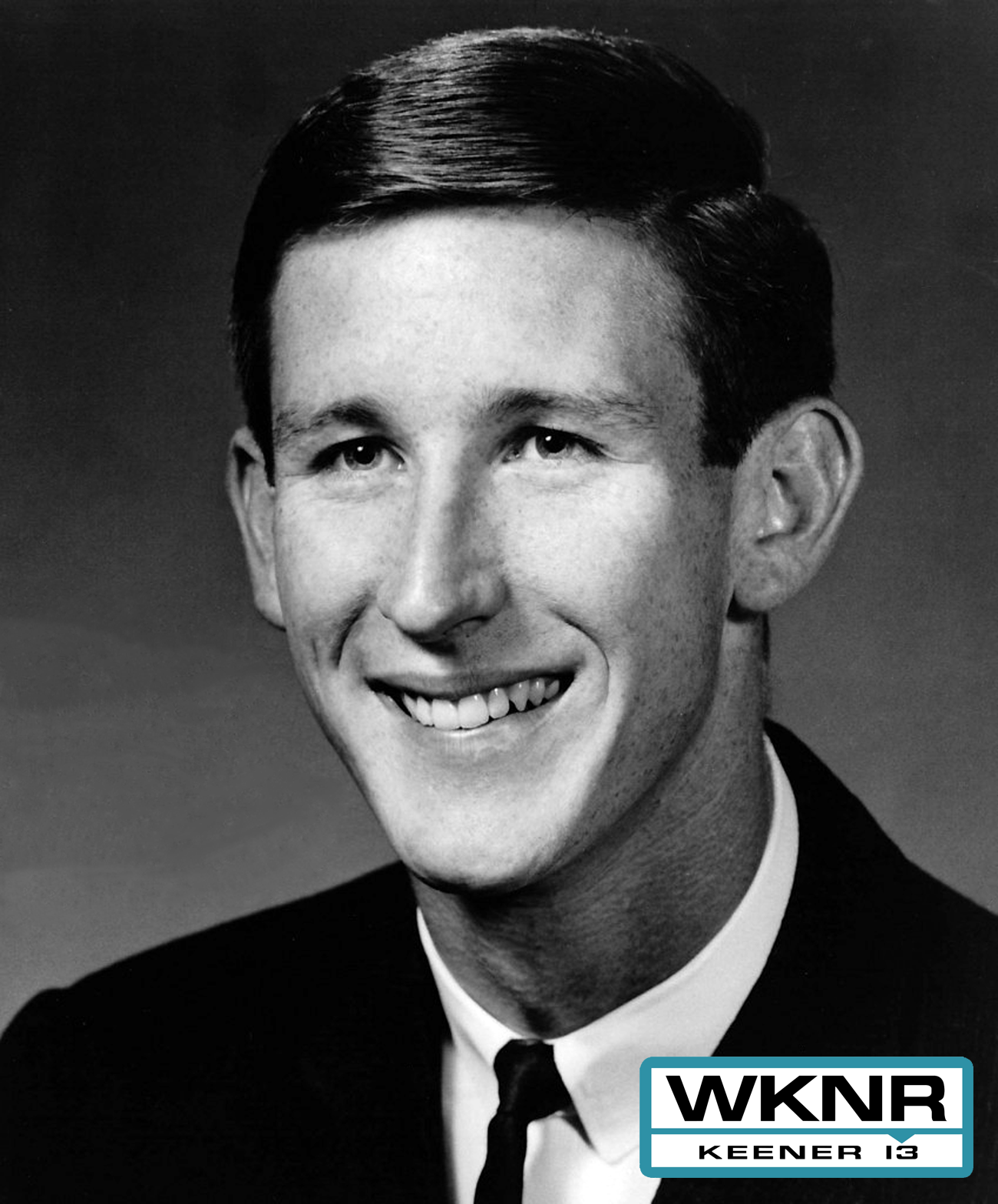
Today we are showcasing a selected WKNR Jim Jeffries audio file from the Motor City Radio Flashbacks airchecks library.
Having been long archived in the collection, this audio file was digitally renewed and enhanced in sound. We are delighted to feature this Jim Jeffries aircheck once again — REMASTERED — from what the audio previously sounded like HERE.
Also corrected was the recording’s speed pitch, having upped the speed slightly to a more ‘normal’ state than what the original recording archived sounded previously.
For more on Jim Jeffries we previously featured on Motor City Radio Flashbacks, goHERE.
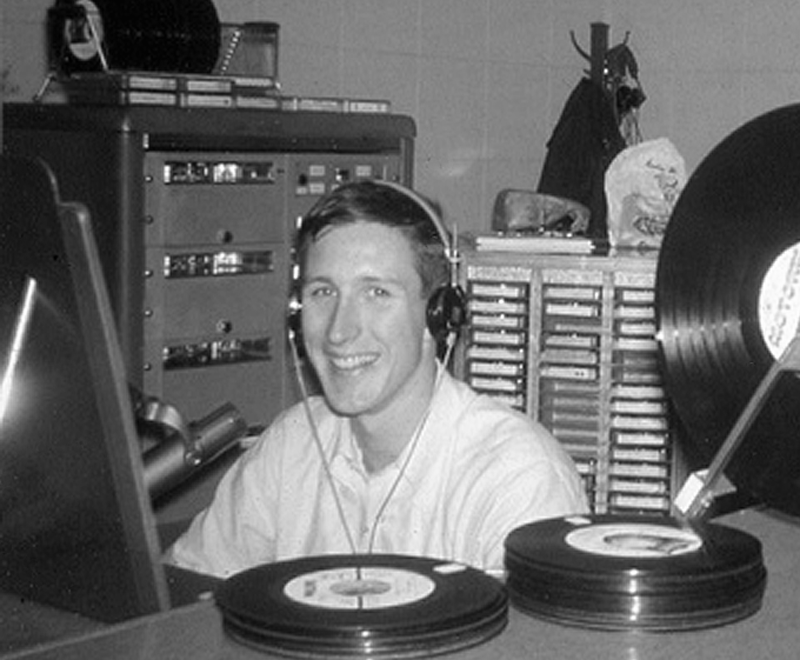
Another classic Motor City radio flashback, indeed. Jim Jeffries on WKNR, fifty-five years ago, August 14, 1966.
_______________
THE MOTOR CITY RADIO FLASHBACKS AIRCHECKS COLLECTION
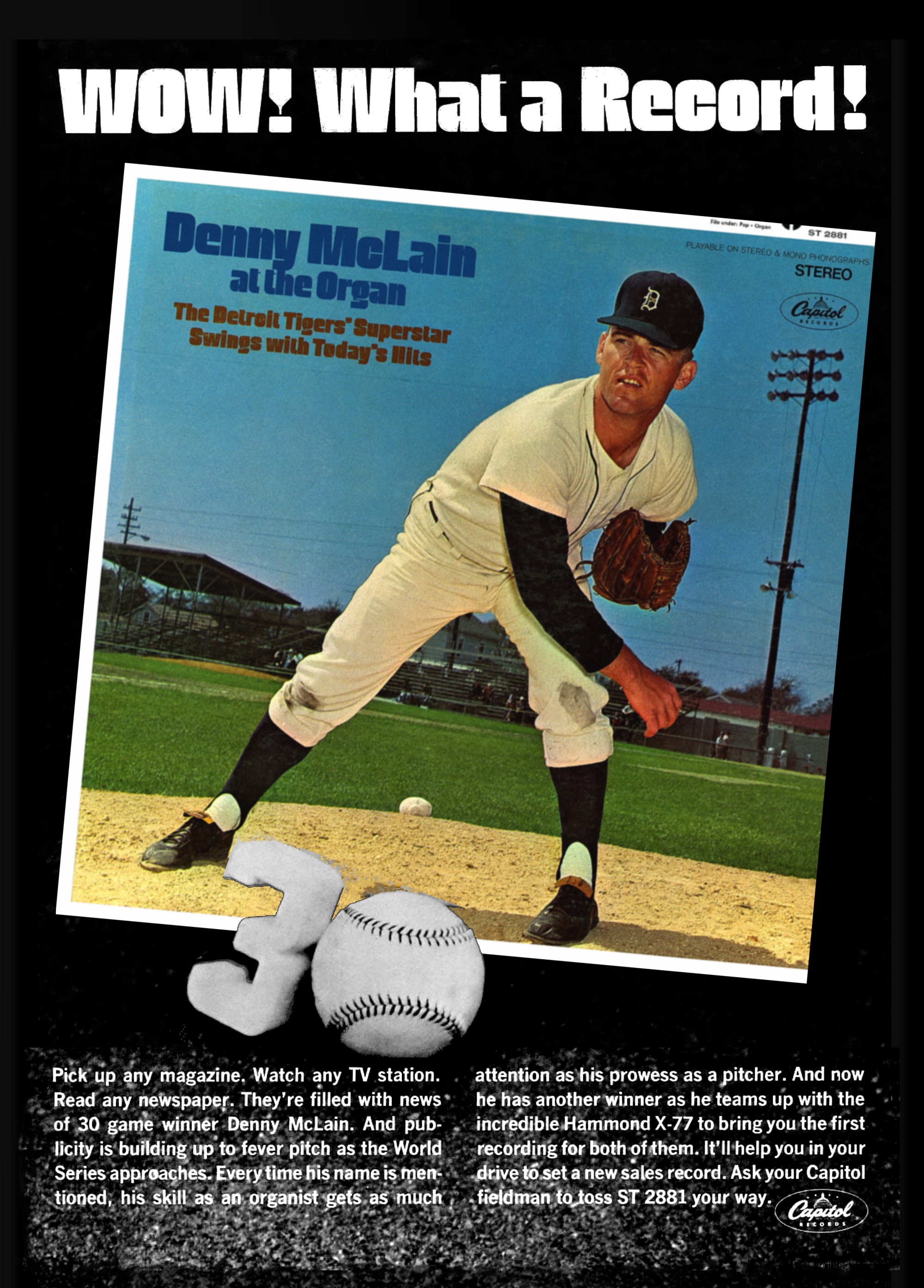
BILLBOARD CAPITOL RECORDS LPs AD page rip: SEPTEMBER 28, 1968
AT THE MIGHTY HAMMOND X-77 ORGAN
_______________
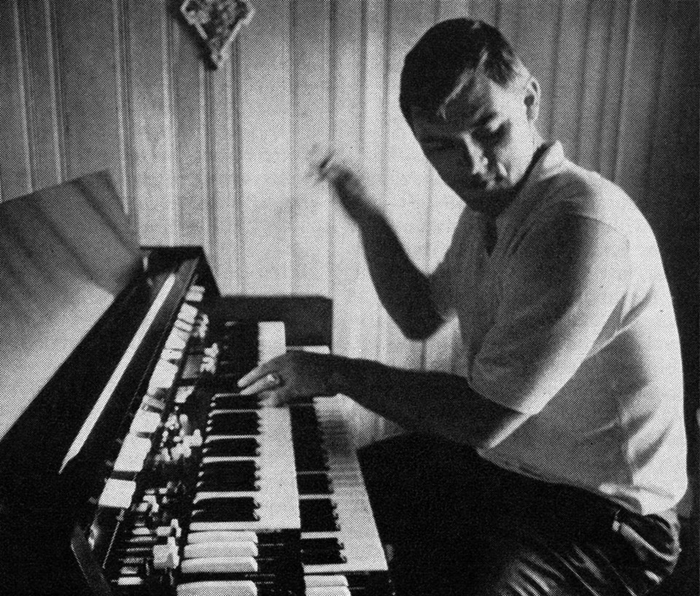
DENNIS DALE McLAIN is a sensitive, talented musician who throws baseballs. He is not, in his own words, a “ballplayer who plays the organ.”
He leads his own Denny McLain Quintet in the off-season when the Detroit Tigers are caged for the fall and winter hiatus, and in 1968 the swingin’ little McLain combo not only performed on the Ed Sullivan CBS-TV show but in Las Vegas and half-dozen cities in the Middlewest as well.
This is Denny’s first record.
He completed the twelfth tune (“By The Time I Get To Phoenix“) just minutes before he raced to Tiger Stadium in a driving rain. There he crushed the Cleveland Indians 13-1 for his 23rd victory of the year, propelling him three days ahead of the “unbreakable” Lefty Grove 31-4 record which no other American League hurler has come near in nearly 40 years.
Denny picked the songs himself. He chose his own musicians. Ralph Terrana’s unconventional Tera Shirma Studios on Detroit’s Livernois Avenue provided the settings.
The 24 year-old McLain, who weighs 200 pounds, recalls that music was always “terribly important” to him, even as a child.
“My father played records much of the time around our house, “Denny recalls. “Mostly I remember Frank Sinatra things. And even when I was playing baseball on sandlots, before I got into Connie Mack and American Legion baseball, I was crazy about music.”
McLain was born and reared in the Chicago area. At Mt. Carmel High School he racked up a 38-7 mark as a hurler. In his professional game at Harlan, Ky., in 1962 (he was just 18) he fashioned a no-hitter, but the Chicago White Sox, who owned his contract, somehow failed to protect him from the first-year draft. Detroit picked him up for the $8,000 waivers fee.
He was 16-6 for the Tigers in 1965 after pitching for the Bengals’ farm clubs in Duluth, Knoxville and Syracuse. In ’66 McLain went 20-14, and in ’67, plagued by a leg injury, he still went 17-16 for the Tigers who missed the pennant in the last game of the year, winding up tied with the Minnesota Twins for second place, only a single game behind the triumphant Boston Red Sox.
Denny is a strong-willed, impulsive man who speaks his mind bluntly. He has the erupting, violent temper of the Irish and it frequently flairs. He considers “For Me” (the Latin ballad popularized by Steve Lawrence) to be the “maddest, swingin’est track” in this debut album and for sheer ballad beauty–and soul–Denny picks “Lonely Is The Name.” “But the other 10 tunes are pretty darned good, too,” he adds.
McLain’s musicians on all selections in this album comprise Bob Schneider, tenor sax; Ernie Skuta, trumpet and flugelhorn; Eddie Kayne, string bass; and Eddie Demetrak, drums. They are the same musicians with whom Denny works on his personal appearances in the off-season.
Denny lives with his young daughter and son in the Detroit suburb of Farmington. Mrs. McLain is the former Sharon Alice Boudreau, brunet daughter of the great old shortstop and field manager Lou Boudreau who later became a popular baseball announcer for the Chicago Cubs.
“I am proud of this first album,” Denny says. And then, stomping the gas pedal of his bright red Pontiac as he swings onto the freeway from the Livernois off-ramp, he makes another comment:
“When it’s all said and done some day in the future,” he muses, “I hope they will remember Denny McLain as an outstanding professional musician.”
NOTES BY DAVE DEXTER (Capitol Records)
_______________
NOTE: LP notes taken from the Capitol Records album, ‘Denny McLain At The Organ’ ST 2881 (back cover). Released in 1968
CAPITOL RECORDS
BILLBOARD | SEPTEMBER 28, 1968
_______________
ON YOUR MOBILE DEVICE? Tap over featured image. Open to second window. “Stretch” across your device screen to magnify for larger print view.
ON YOUR PC? Click on ad image 2x for largest detailed view.
_______________
The above Billboard (9/28/68) ad was digitally re-imaged and restored by Motor City Radio Flashbacks
NEW! A special THANK YOU to our newest contributor Dave Preston — formerly of WDRQ — for recently donating the featured Kim Carson FM 93 radio aircheck (he recorded in 1979) to our Motor City Radio Flashbacks’ airchecks archive.
Kim Carson’s tenure with Detroit radio began with WDRQ, 1978-1985; WCZY, 1985-1989; WCSX-FM. Prior to her arrival to the Motor City, Kim Carson was at Rockford, Illinois’s WROK, 1977-78.
For our previous Dave Preston aircheck contribution — featuring Don Geronimo on WDRQ (8/6/2021) — go HERE
_______________
THE DAVE PRESTON COLLECTION
The featured WDRQ aircheck was audio enhanced by Motor City Radio Flashbacks
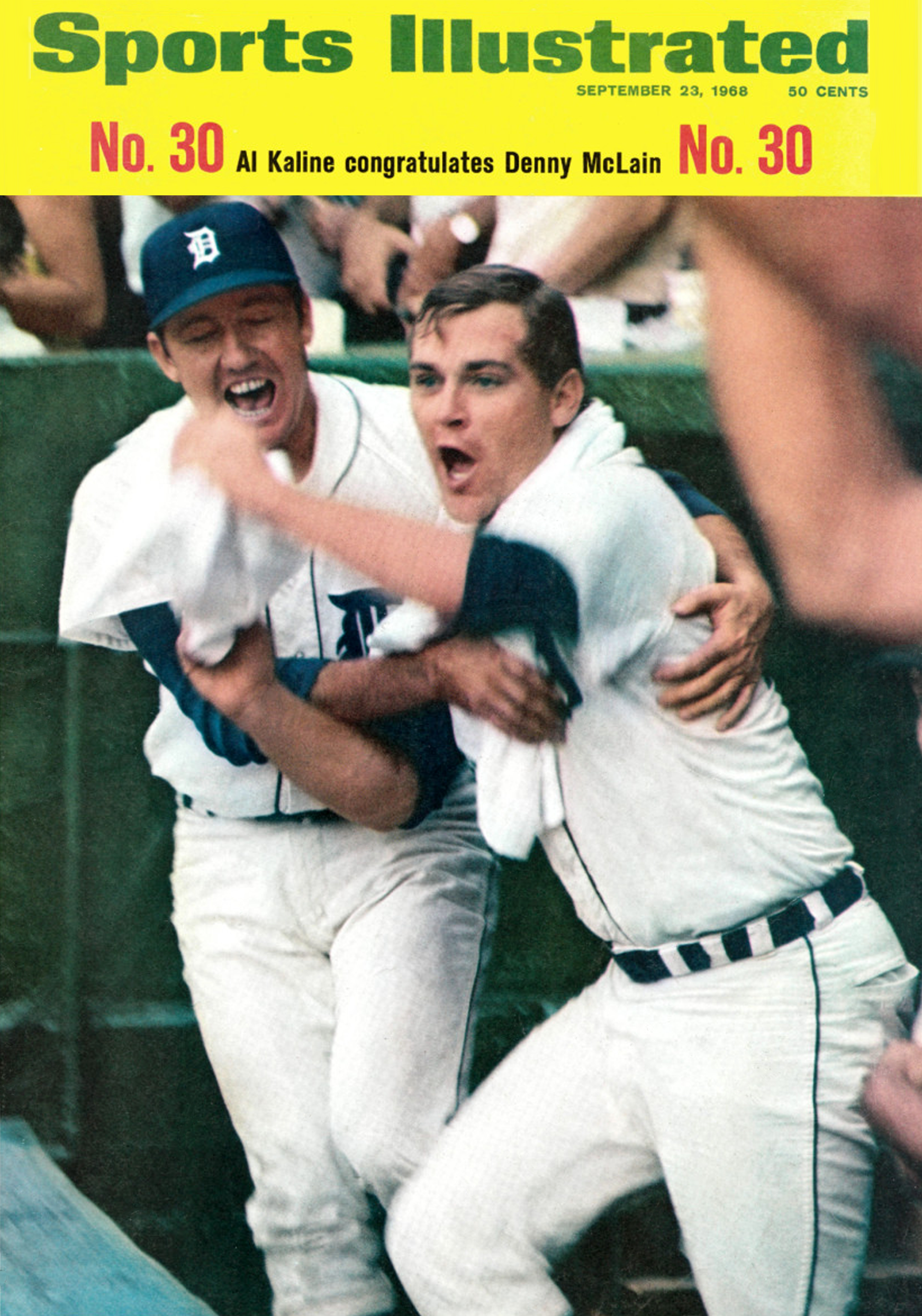
DETROIT FREE PRESS — Sunday, September 15, 1968 — The Tigers won Denny McLain his 30th game Saturday and sent goose pimples down the back of the entire country.
Roaring from behind in the ninth inning, just like they’ve done all year, Detroit pulled it out for McLain in a win-it-or-bust rally, 5-4.
The victory made McLain the first man to win 30 games in 34 years, as the whole country and 44,087 fans at Tiger Stadium watched the drama unfold in spellbound fascination.
Willie Horton capped the two-run surge by belting a drive just out of the reach of pulled-in left-fielder, Goose Gosger, to knock in Mickey Stanley, and touch off the wildest scene at Tiger Stadium in 30 years.
Detroit had to pull it off because McLain was removed for a pinch hitter in the inning. If the team had merely tied the game, the decision would have been in the hands of another pitcher and Denny would have had to wait until next Wednesday.
* * *
But as Stanley danced across the plate, the Tiger dugout exploded, led by McLain. First they mobbed Stanley at the plate, then the entire team rushed to grab Horton. Stanley finally picked up McLain bodily and hauled him off the field.
But the fans wouldn’t go home. They stood at their seats yelling for McLain until the pitcher came back on the field to take a bow.
Even then, several hundred fans stayed outside the Tiger clubhouse chanting “We Want Denny” long after the players had gone.
Denny McLain September 14, 1968
Going for the 30 victories was supposed to be drama enough. But the way it all ended made the affair vaguely unreal–as if McLain would suddenly strip-off his false face, reveal that he was really Paul Newman and the whole thing was a gigantic Hollywood put-on.
Reggie Jackson, the young Oakland rightfielder, looked as though he was going to steal the spotlight from Denny. He belted two homers, cut down one runner at the plate and made a leaping catch in right personally to account for the 4-3 score as the Tigers came up in the ninth.
* * *
Diego Segui, who had entered the game in the fifth, had choked off Detroit on three singles. The only runs scored on a three-run Norm Cash homer in the fourth that had given Detroit a brief lead.
But Al Kaline came up to bat for McLain to start the ninth inning and worked Segui for a 3-2 walk.
Dick McAuliffe fouled off two sacrifice bunts and finally fouled out to third baseman Sal Bando in front of a silent Detroit dugout.
But Stanley ripped a solid single right over second base as Kaline, showing no trace of his leg injury, darting around to third.
The next hitter was Jim Northrup. He tapped a slow roller down the first base line, and in the game’s biggest play, Kaline broke for the plate.
Danny Cater raced in for the ball and made an off balanced throw that sailed over the head of catcher Dave Duncan, Kaline and Duncan collided with Kaline scrambling for the plate on his hands and knees to score as Stanley galloped to third.
* * *
Denny McLain and Willie Horton in the Tigers dressing room after the game. September 14, 1968
HORTON came up and Segui took him to a 2-2 count. All the Oakland players were drawn in close for a play at the plate to cut off the potential winning run.
Willie hit one that Gosger would have caught if he had been playing in normal depth–but Stanley would have scored anyhow after the catch.
Horton was given a single on the hit–which was the most ignored scoring decision of the year. No one would have cared less among the worked up Tigers.
The A’s took an early 2-0 lead in the fourth on Jackson’s first homer following a Cater single.
But Cash connected in the Detroit half of the inning off Chuck Dobson behind a walk and Horton’s single.
The lead lasted only until Oakland came to bat in the fifth. McLain walked Duncan to lead off. He was bunted to second and Bert Campaneris tied the score with a single to left.
* * *
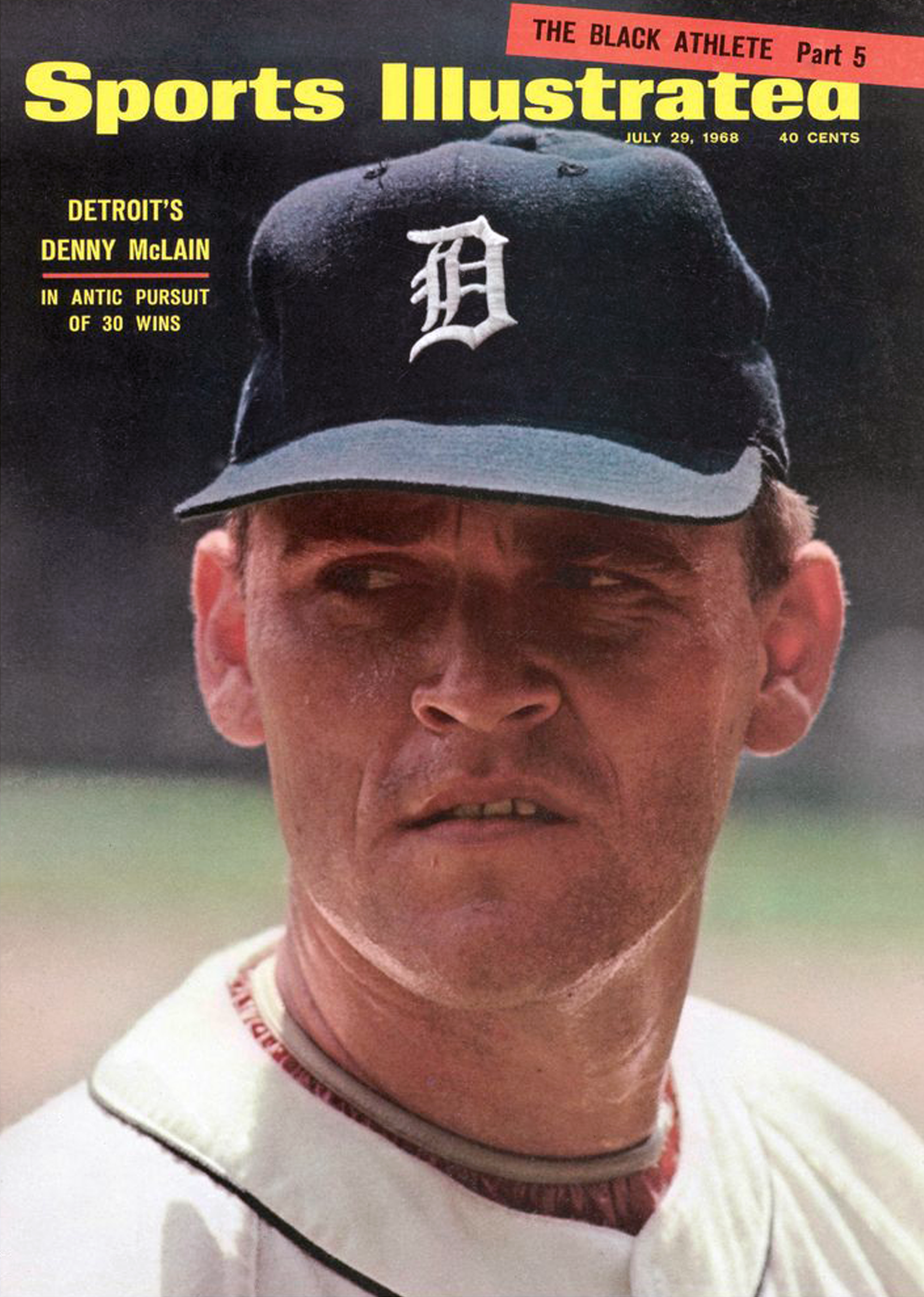
SI July 29, 1968
THEN JACKSON unloaded in the sixth to give Oakland the lead. It was his 28th of the year and the 30th off McLain. For a while, it looked as that were to be the only 30 Denny would reach Saturday.
Segui, who was beaten by a Bill Freeman homer in the 10th on Detroit’s visit to Oakland two weeks ago, was a tough customer. When he got Gates Brown with two on in the eighth, it seemed as he would make it all the way.
But the ninth inning turned him into a loser.
McLain wound up giving up six hits, walking just one and striking out 10. That brought his strikeout total to 265, just 10 short of Hal Newhauser’s club record.
THE MAESTRO, 1968 (Photo: Detroit Free Press archives)
That will be his next mark when he starts again, probably Wednesday night against the Yankees.
And almost forgotten in the general hilarity following the game–the victory reduced the magic number to four, Detroit wins or Baltimore loses, for the Tigers winning the pennant.
Detroit Free Press, 9/15/1968; Copyright 2021; Newspapers.com
_______________
DETROIT FREE PRESS: SUNDAY, SEPTEMBER 14, 1968
_______________
NOTE: Click on all images on your PC for largest detailed view. Tap on all images and stretch photos on your mobile devices.
_______________
BASEBALL REFERENCE: For the complete Oakland A’s vs. Detroit Tigers September 14, 1968 game-day box score and stats — click HERE
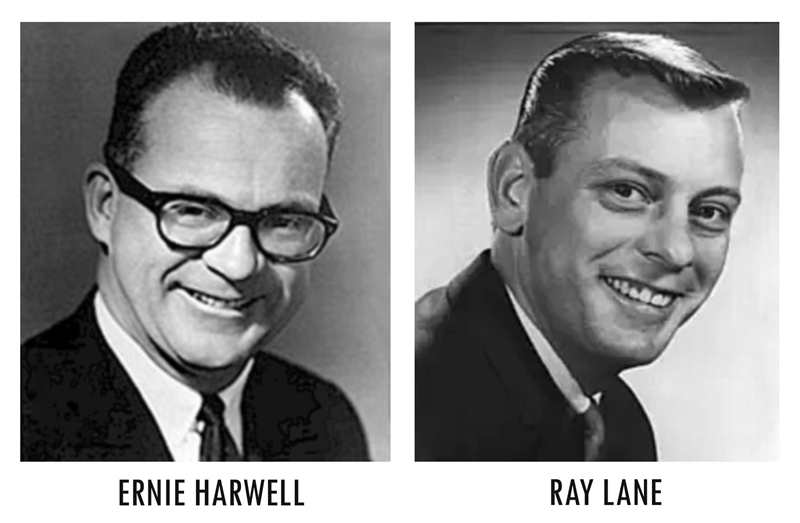
ERNIE HARWELL / RAY LANE | COMPLETE GAME | SEPT. 14, 1968
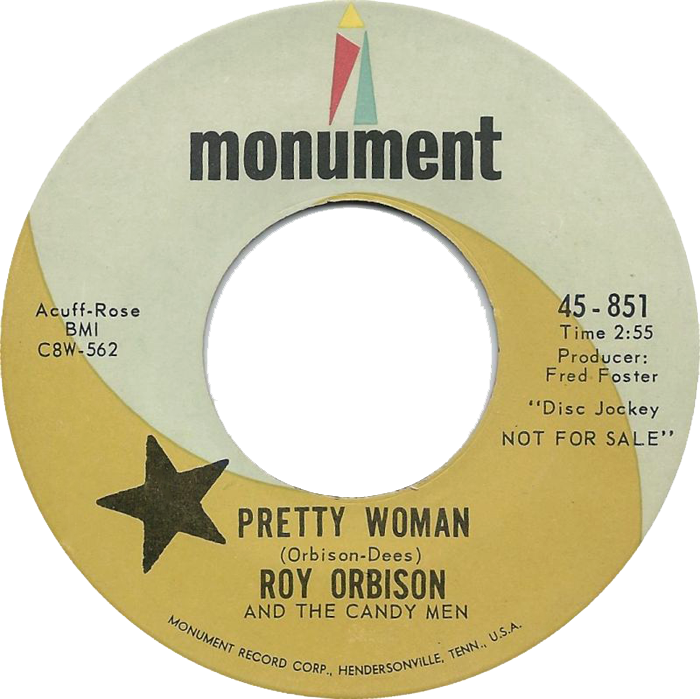
FIFTEEN WEEKS overall on the singles pop charts, “Pretty Woman” by Roy Orbison peaked at #1 this week (3 weeks) on the Billboard Hot 100. Beginning September 20 through week ending, October 10, 1964. (Source: Billboard)
For our previous Billboard 1964 Number One U.S.A. Hits goHERE
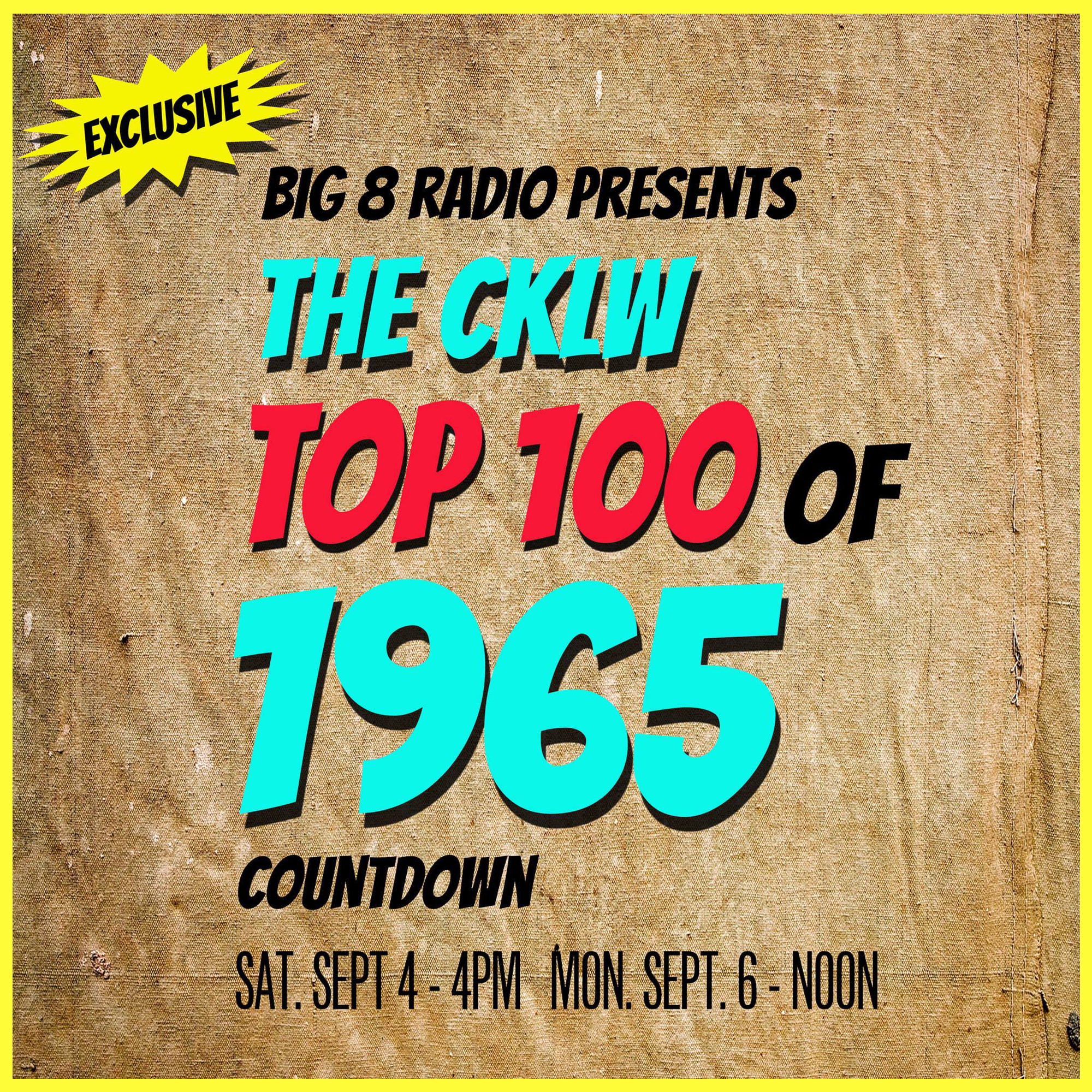
We recently uncovered an extremely rare CKLW year-end playlist for 1965 from a private collection, kept undisclosed for well over 55 years.
On Saturday, September 4, Big 8 Radio streamed the Official CKLW Top 100 of 1965 — for the first time over the Labor Day weekend — exactly as the chart was tabulated by the CKLW music department over five decades ago.
An encore presentation of the CKLW Top 100 of 1965 Countdown was also broadcast HERE at www.big8radio.com — Labor Day Monday, September 6 at NOON ET.
The year-end chart was never distributed nor made available to the public, and we believe the numbered playlist/countdown probably never aired on CKLW that year.
And last, we are pleased to say our special four-page souvenir chart of the CKLW Top 100 of 1965 is now available — FREE DOWNLOAD — on the Big 8 Radio official webpage (click the link above).
For our friends who may have missed the stream, it is now available (anytime) — ON DEMAND — here on Motor City Radio Flashbacks. Join us for this special 5-hour ‘CK 2021 broadcasting experience. The CKLW Top 100 of 1965. Presented here — exclusively — by Big 8 Radio. ?
— Charlie O’Brien
_______________
NOTE: On Monday, September 20, look for the special Big 8 Radio’s own (four page) CKLW ‘Countdown Top 100 of 1965’ playlist/brochure on Motor City Radio Flashbacks.
_______________
— SPECIAL ACKNOWLEDGEMENT —
_______________
NEW! A special THANK YOU to Charlie O’Brien for contributing the featured CKLW Top 100 of 1965 broadcast with Motor City Radio Flashbacks.
TODAY! | ENCORE PRESENTATION | 12 NOON ET., 9 AM PT.
_______________
A most-rare CKLW year-end playlist for 1965 was recently found in a private collection, kept undisclosed, well over 55 years.
Now! We are delighted to inform you the Official CKLW Top 100 of 1965 — for the first time ever — will be counted down exactly as it was tabulated by the CKLW music department over five decades ago.
An encore presentation of the CKLW Top 100 of 1965 Countdown will broadcast HERE at www.big8radio.com — today — Labor DayMonday, September 6 at NOON ET / 9 PT.
Never distributed nor made available to the public, our special four-page chart of the CKLW Top 100 of 1965 will be available (for download) on the Big 8 Radio webpage (as linked above), Tuesday, Sept. 7.
Join us again on this Labor Day for this special 2021 ‘CK broadcasting experience. The CKLW Top 100 of 1965. Brought to you one more time — exclusively — by Big 8 Radio 🙂
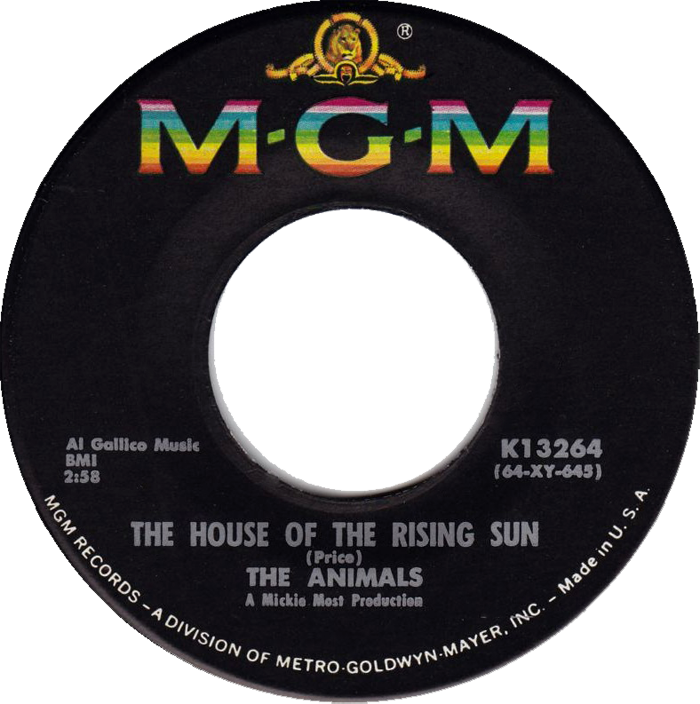
ELEVEN WEEKS overall on the singles pop charts, “House Of The Rising Son” by The Animals peaked at #1 this week (3 weeks) on the Billboard Hot 100. Beginning August 30 through week ending, September 19, 1964. (Source: Billboard)
For our previous Billboard 1964 Number One U.S.A. Hits goHERE
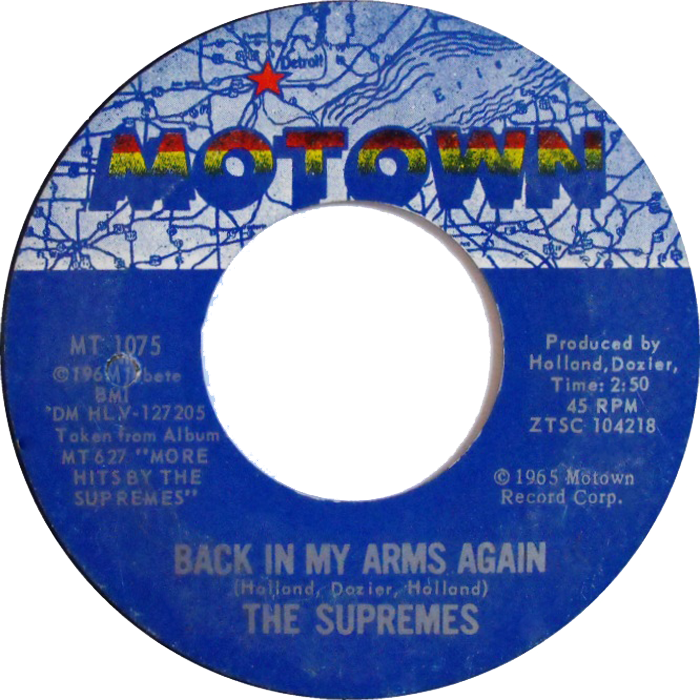
Released May 1, “Back In My Arms Again” peaked at #1 (charted 11 total weeks R&B overall) on the Billboard R&B chart in 1965. B-side: “Whisper You Love Me Boy”