WHND ‘JAM’ Jingle Pak ON MOTOR CITY RADIO FLASHBACKS
WHND-AM * “In Deee-troit It’s Honey Radio!” * 1990-1994


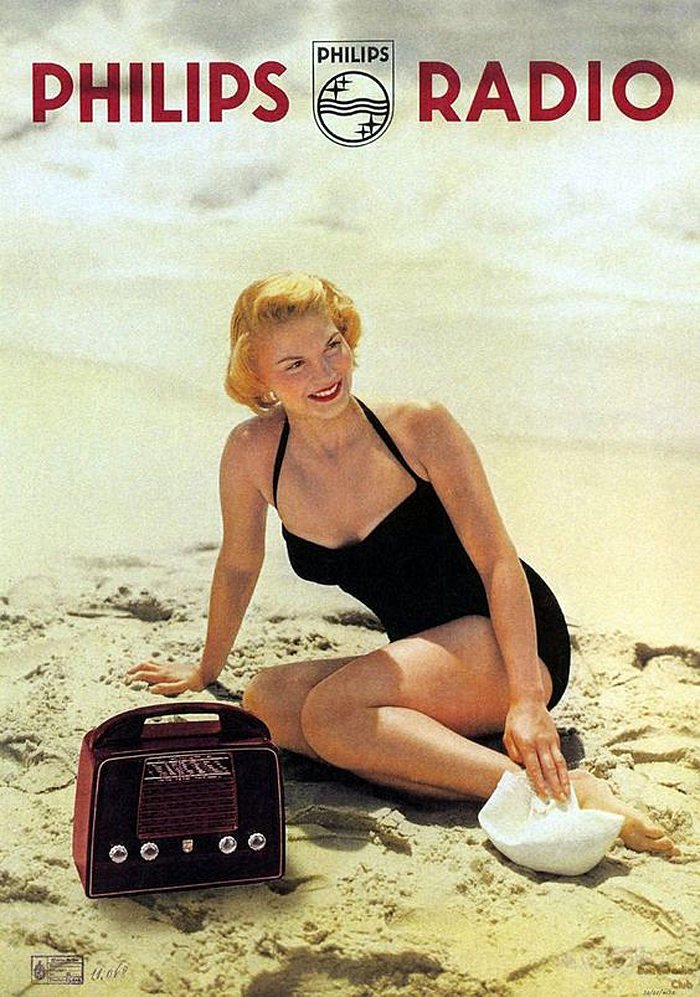
A ‘RADIO’ AD * “Take A Lively Companion Wherever You Go” * 1964


A ‘RADIO’ AD * “You Can Swing The Blues…” * 1964
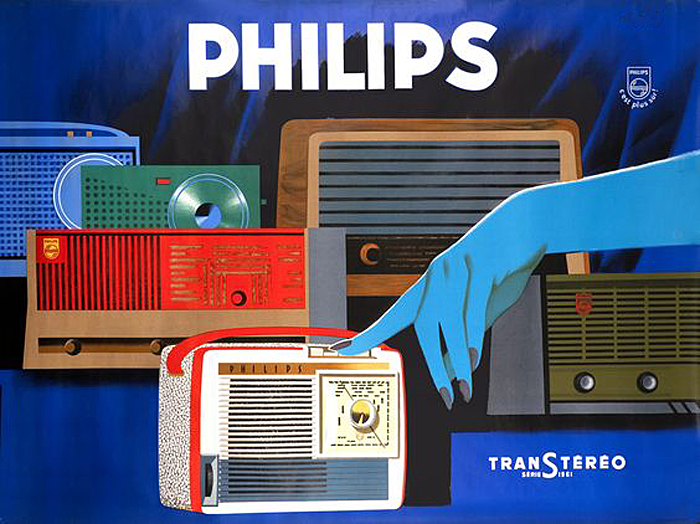
A ‘RADIO’ AD * “Wherever You Go We’re Your Musical Host” * 1964
___
The above classic ‘radio’ endorsement ads, featured today on Motor City Radio Flashbacks, was sponsored and distributed for radio by the National Association of Broadcasters, 1964.



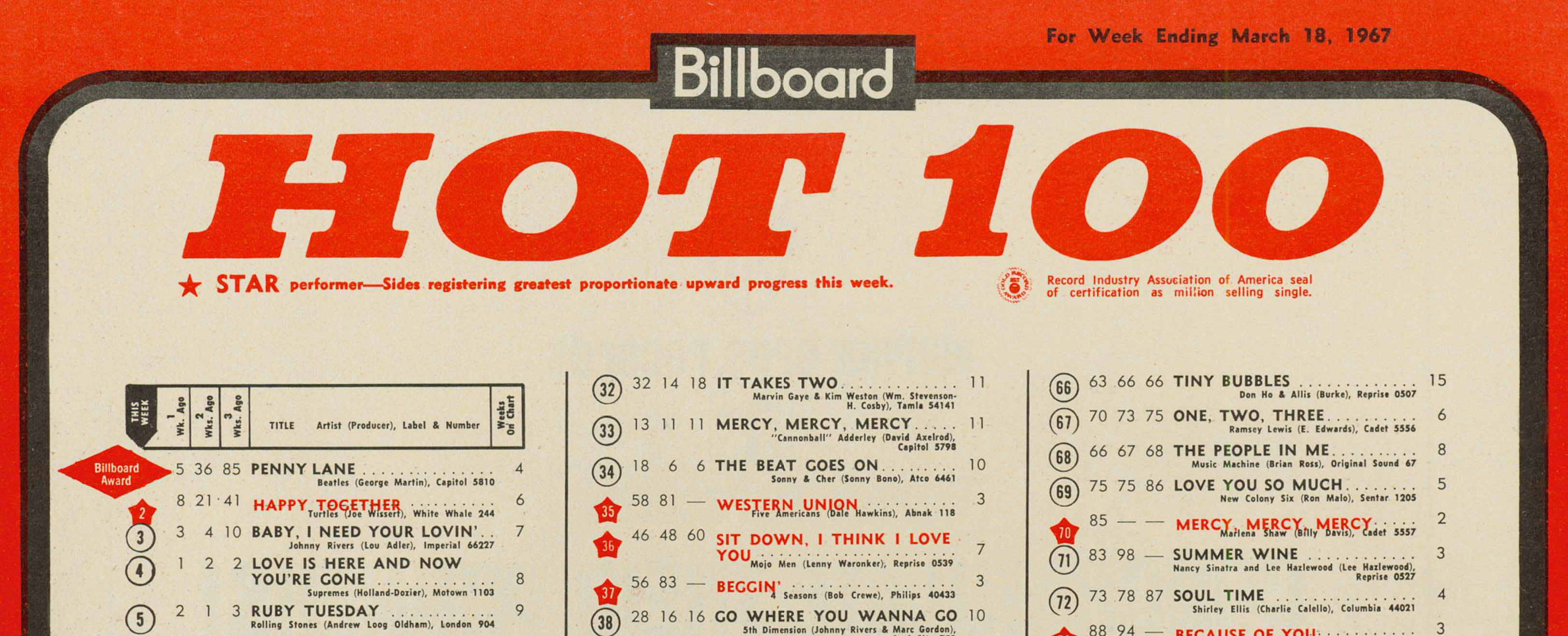
(click on chart image 2x for detailed view)
___
TEN WEEKS on the singles chart, “Penny Lane” by The Beatles peaked this week at No. 01 (1 week) on the Billboard Hot 100, week March 12 through March 18, 1967. (source: Billboard)
___
MCRFB Link: For the previous No. 1 record in the U.S.A. 1967 GO HERE.
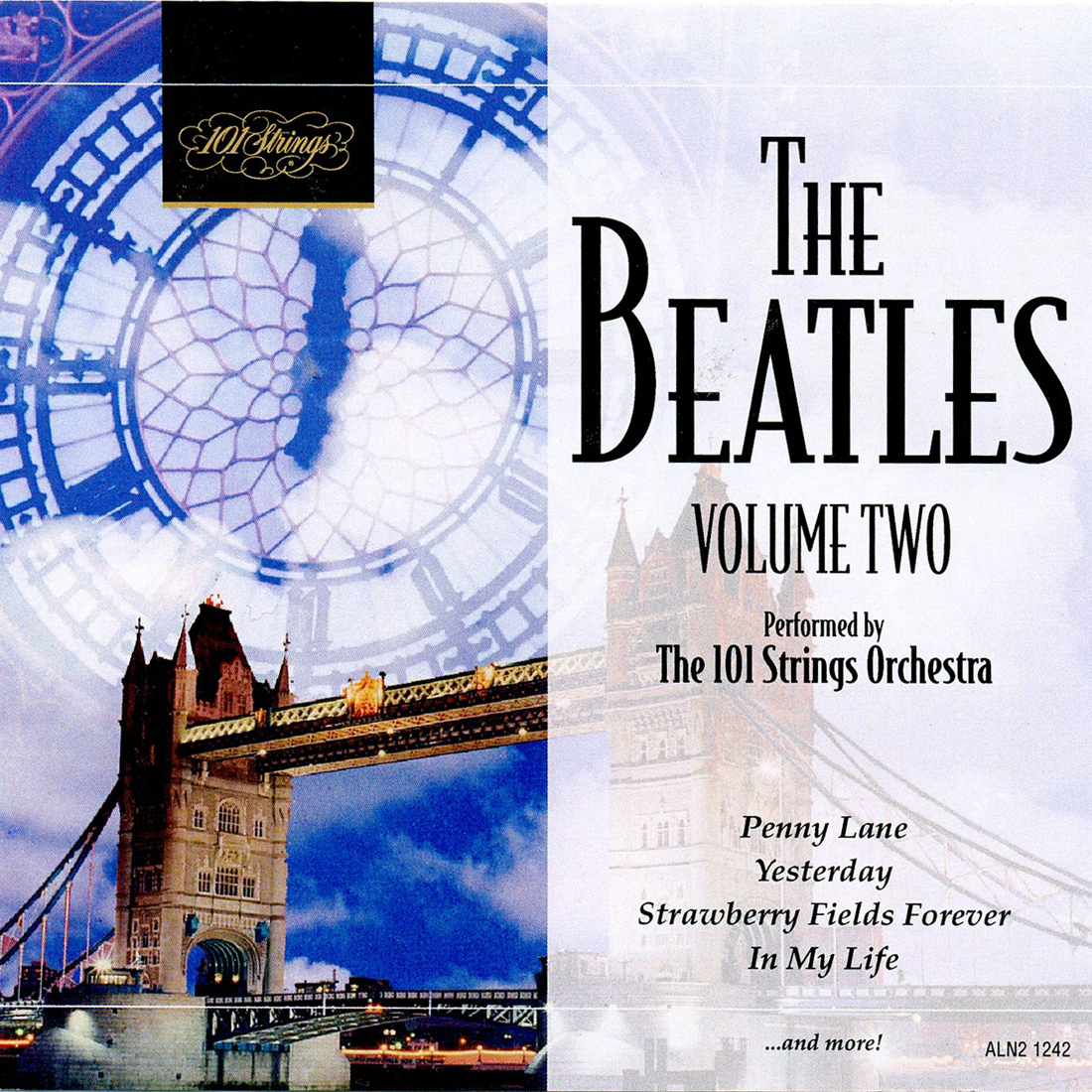
PENNY LANE * 101 STRINGS (1968)
PENNY LANE * 101 STRINGS (ALBUM EXT. VERSION; 1968)
___
In the 1960s and the 1970s, the 101 Strings Orchestra was essentially ‘instrumental’ having introduced many, many of the mainstream popular hits they would come to record at the time, such as The Beatles’ hit, “Penny Lane,” so on and so forth, as just one example.
During those two decades the 101 Strings Orchestra albums, consequently, one could say, won over many our parents’ and our grand-parents’ hearts. They would come to accept, in part, the same ‘strings’ hit titles the older generations otherwise came to primary dislike coming from top 40 radio stations at the time.
Now ask yourself. How many of these 101 Strings LP’s you can recall having been played in your households during your younger years? I’m almost sure you probably seen a few of these ‘101 Strings’ album covers laying somewhere around the house. Their orchestra ‘sound’ was not just melodic, pleasant and smooth.
Let’s just say the younger set more than likely did not care much listening to 101 Strings albums in general. But in hindsight, as we listen today, some may agree these classic Beatles “strings” still actually sounds just as “cool” today as when we first heard them a long time ago. Agreed.

TO A DETROIT BROADCASTING LEGEND, ROBIN SEYMOUR
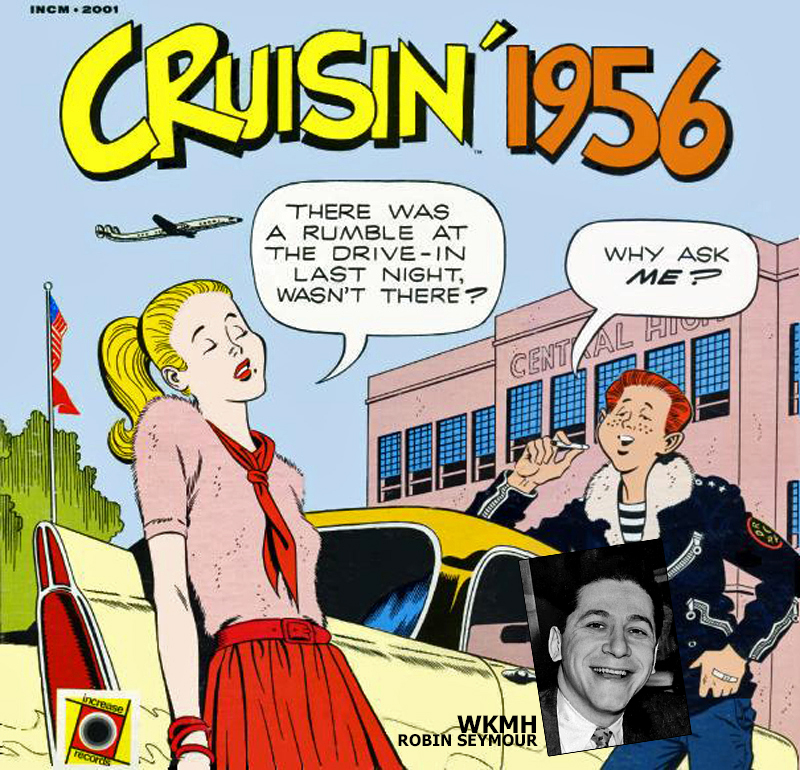
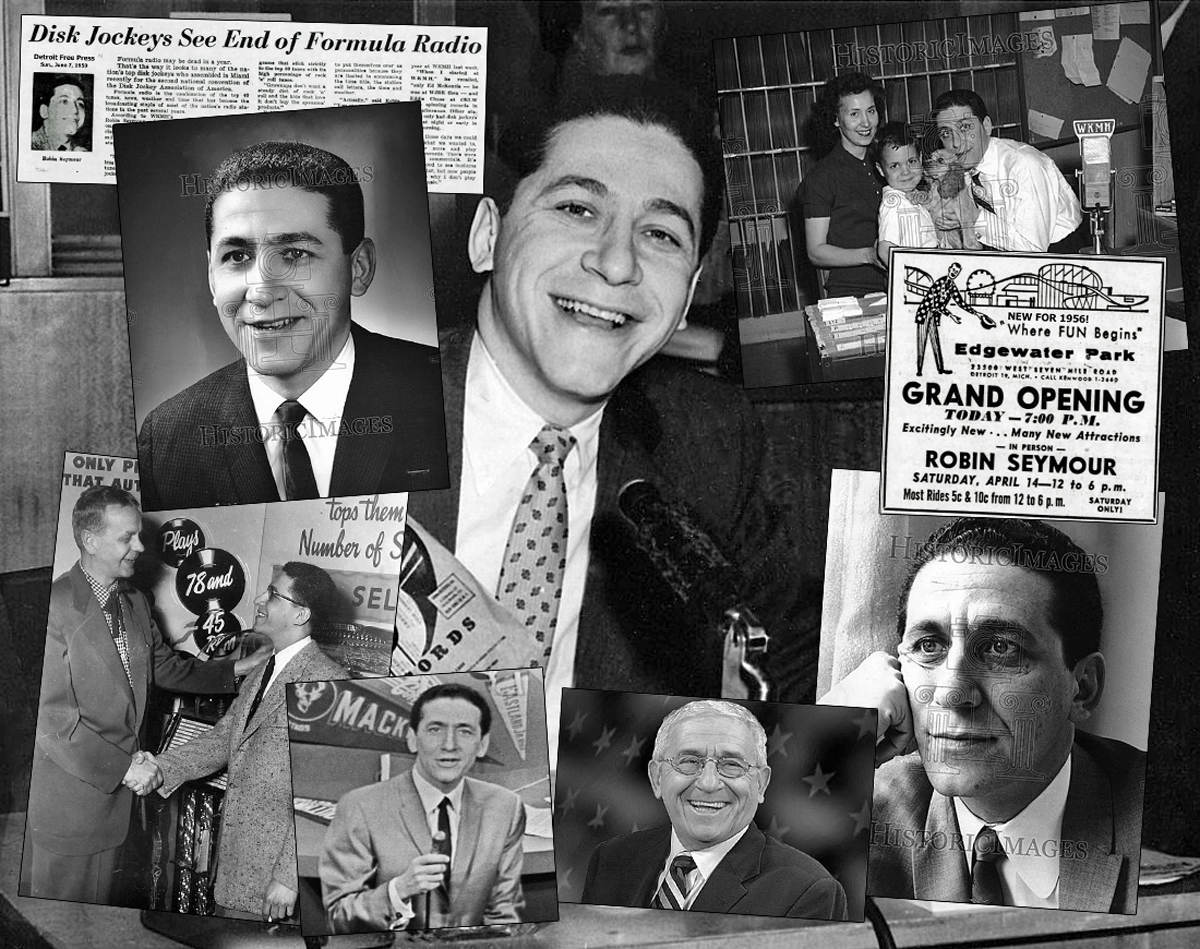
In celebration on the occasion of Robin Seymour‘s recent 91st birthday this week, Wednesday, March 8, 2017, Motor City Radio Flashbacks presents today, “Cruisin’ 1956.” Motor City Radio Flashbacks is showcasing some of Robin Seymour’s greatest Detroit radio memories, reflections he shared from his illustrious broadcasting career on the Detroit radio dial spanning over three decades from the 1940s – 1970s.
___
By Jerry Hopkins
___
The CRUISIN’ history of rock and roll radio begins in 1956, one of the most exciting years in “pop” history, and to take us down this memory lane (with a beat) is Robin Seymour of WKMH, which was, when he joined it, a little-known station In Dearborn, Michigan. Robin came to the suburban Detroit station from the Armed Forces Radio Network and he brought with him a voice that mixed the warm, confidential tone of an intimate friend with the slick disc jockey rap we all know today, a blend which made him a natural for housewives and teenagers alike.

WKMH’s Robin Seymour
Robin never had any particular ethnic identification or allegiance but the “Bobbin’ with Robin Show” quickly found its audience, as he constructed a bright, orderly program that featured (almost exclusively) the records listed on the sales charts printed by the music press. He also was among the first of the nation’s deejays to ask his listeners what they thought about new records, and hosted some of the earliest sock hops and commercial tie-ins with local record stores. In 1953 he was named “Disc Jockey of the Year” by Billboard, the music trade magazine. The following year he was given the same title by another publication, Hit Parader.
1956: President Eisenhower underwent an operation to relieve blockage of the small intestine due to ileitis, but physicians said he would be physically fit to run for re-election. Scientists said radiation was a peril to the future of humanity, Egypt seized the Suez Canal and the United Nations established the first international police force on the Sinai Peninsula. The first trans-Atlantic telephone cable system went into effect. The Hungarians revolted. Six Marine recruits were marched into a stream at Paris Island and drowned. The Andrea Doria sank off the coast of Massachusetts. And Elvis Presley and the spread of rock and roll nearly pushed everything else in this list of news stories right out of the conversation.
This was the year Elvis recorded Heartbreak Hotel, Don’t Be Cruel, Hound Dog and perhaps half a dozen other million-selling songs . The first of these (Hotel) appeared in the number one position the end of April and that song or another by Elvis occupied the same lofty spot twenty-five of the year’s remaining thirty-six weeks.
1956 was the year “rock ‘n’ roll” became an angry epithet, blamed by psychiatrists and religious leaders (not to mention thousands of parents) for the rise in juvenile delinquency; some even said it was all a part of some Communist plot. Elvis and his pack of noisy imitators were called obscene and there were real riots at dozens of concerts. There were non-rockers on the record charts, to be sure, but it was Carl Perkins’ Blue Suede Shoes and Bill Haley’s Alligator that became a part of the New Culture, not Gogi Grant’s Wayward Wind and Morris Stoloff’s Picnic. The war babies had come to teen-age.
Most adults in ’56 thought it was a fad and that “it” would go away. Most radio listeners believed otherwise. There were a number of rock giants on the popular music charts in 1956 and many had made their abrupt and rhythmic appearances there after serving an apprenticeship in the ghetto called rhythm and blues.
That’s what 1956 was: the teen-age 1776. There’d been rumblings earlier, but this year all the lines were drawn.
___
___
“Recreating one of his old radio shows from 1956 is Robin Seymour, who then was with WKMH in Dearborn, Michigan. He had come to this suburban Detroit station from Armed Forces Radio and soon his warm, confidential tone had won him teenagers and housewives alike. His BOBBIN’ WITH ROBIN show was the reason BILLBOARD named him Disc Jockey of the Year in 1953, and HIT PARADER magazine did the same in 1954. Today he’s in television and concert promotion in Detroit. For this album, Robin Seymour was the first of the seven disc jockeys in the CRUISIN’ series selected as the best living representatives of Fifties and Sixties radio from seven top American radio cities.”
___
The “Cruisin'” series was conceived, created and was produced by Ron Jacobs. The “Cruisin’ 1956” album was released by Increase Records, June 1970.
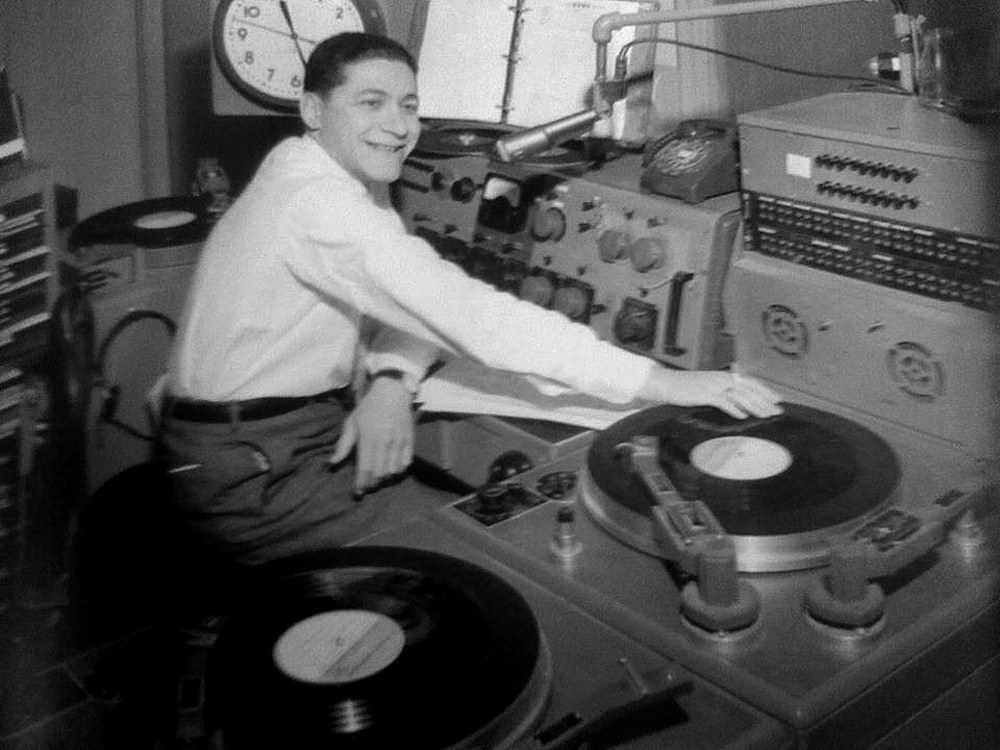

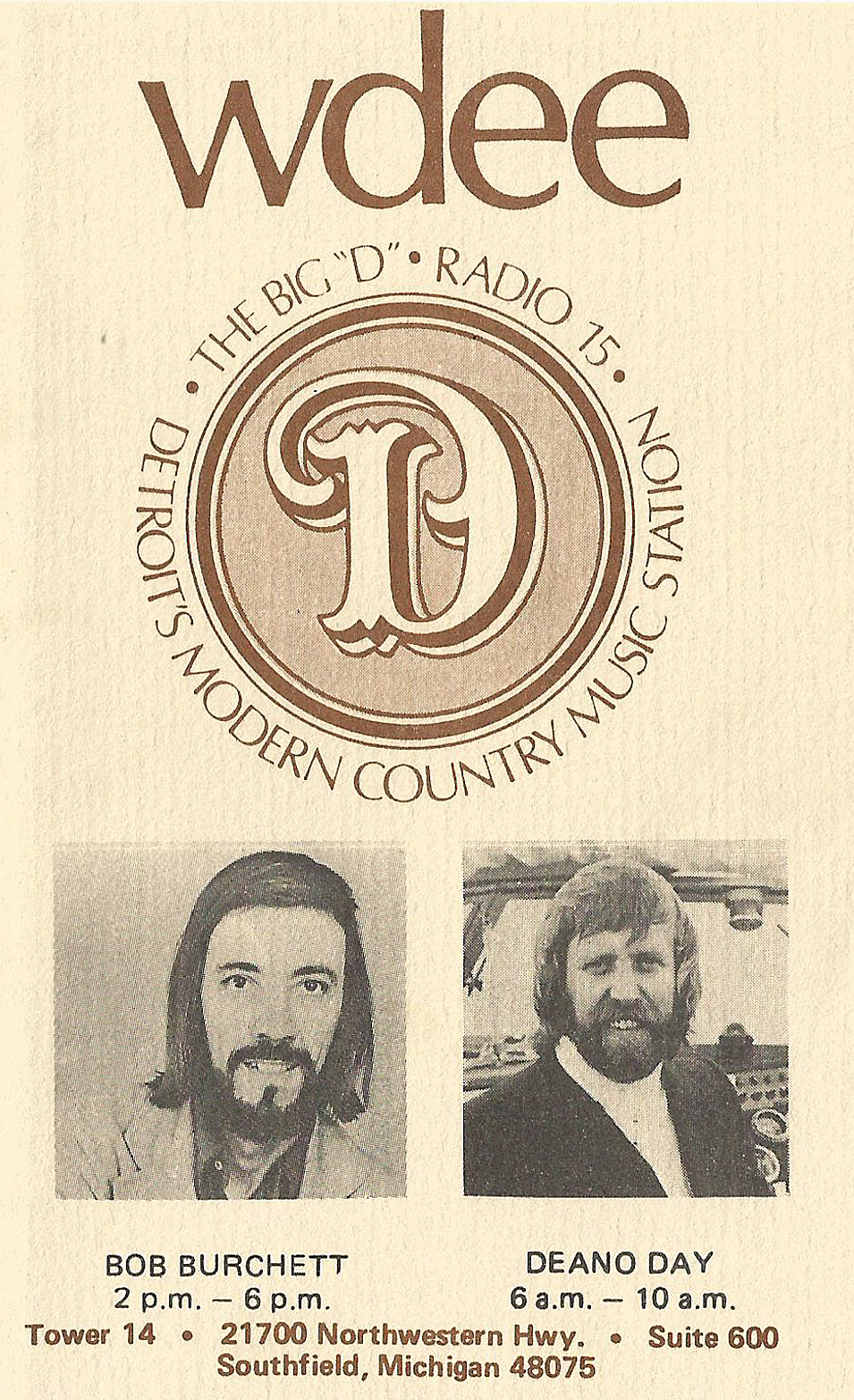


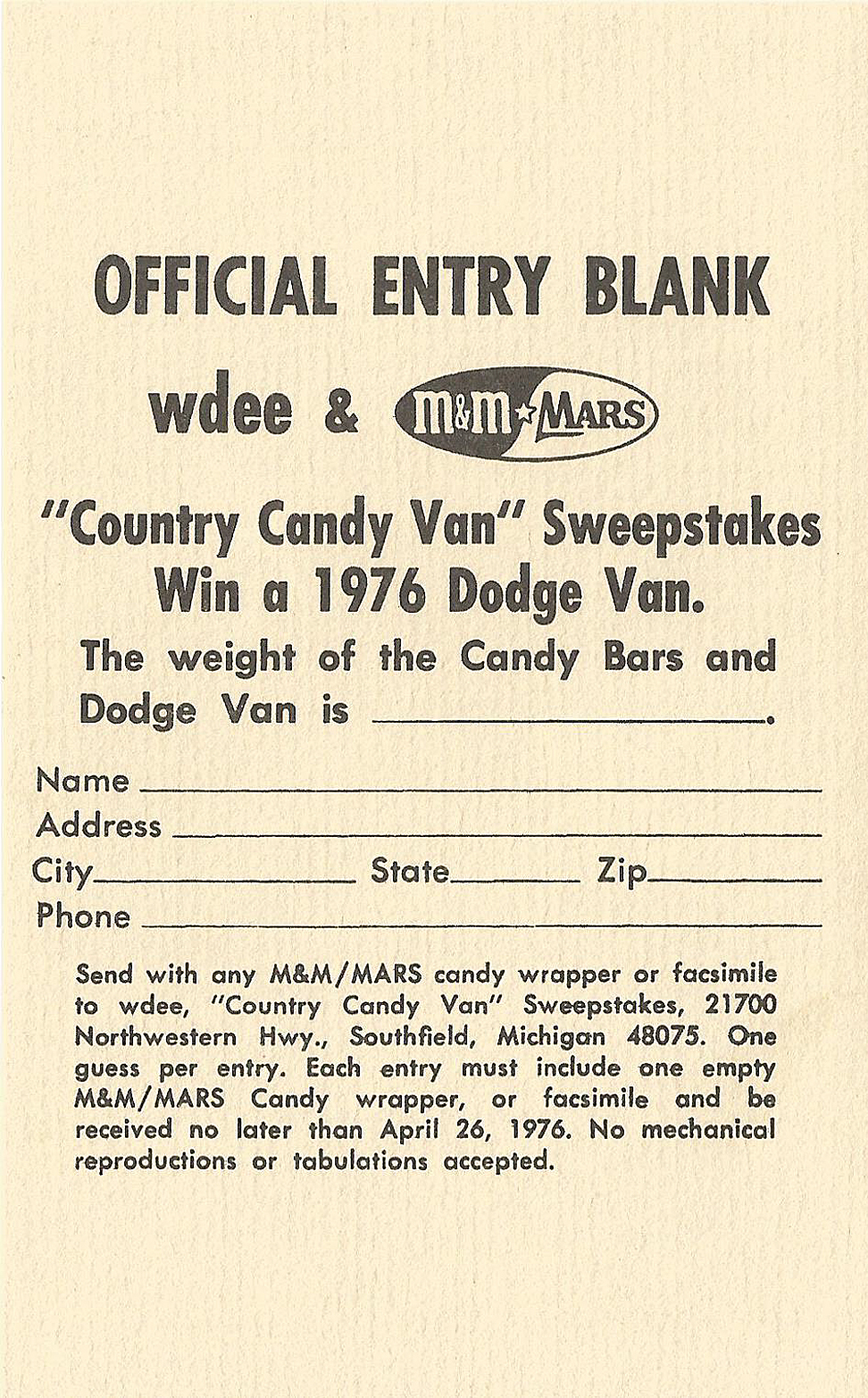
The Top 40 country hits in Detroit. Featuring the ‘Top 6’ off the survey. As tabulated by WDEE 1500, for the week beginning, March 8, 1976.
A MCRFB Viewing Tip: On your PC? For a larger detailed view click survey 2x and open to second window. Click image anytime to return to NORMAL image size.
Click your server’s back button to return to MCRFB home page.
On your mobile device? Tap on SURVEY (second frame) image. Open to second window. Take your finger and thumb and “stretch” across the featured article to magnify for larger print view.
In Memory of George Griggs
___
Above WDEE music chart courtesy of Mrs. Patty Griggs and the George L. Griggs estate.



A MCRFB Viewing Tip: On your PC? For a larger detailed view click image 2x and open to second window. Click image anytime to return to NORMAL image size.
Click your server’s back button to return to MCRFB home page.
On your mobile device? Tap on image. Open to second window. Take your index finger and thumb and “stretch” across the featured article to magnify for larger print view.

Many of these records were the most popular radio plays heard on Detroit’s only country station 1340 on the AM dial at the time, WEXL, as was tabulated nationally week-ending previous, March 04, 1967.


LESLEY GORE * 1967