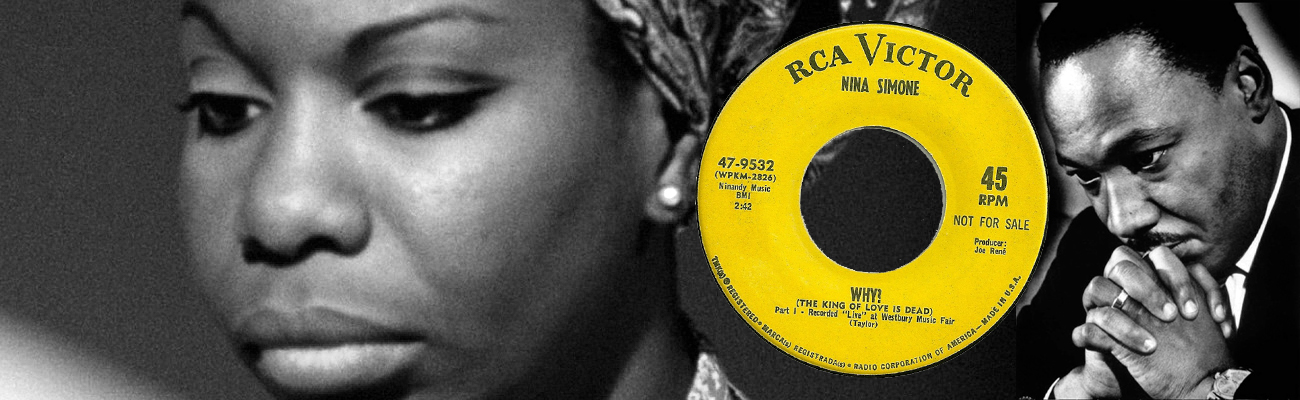
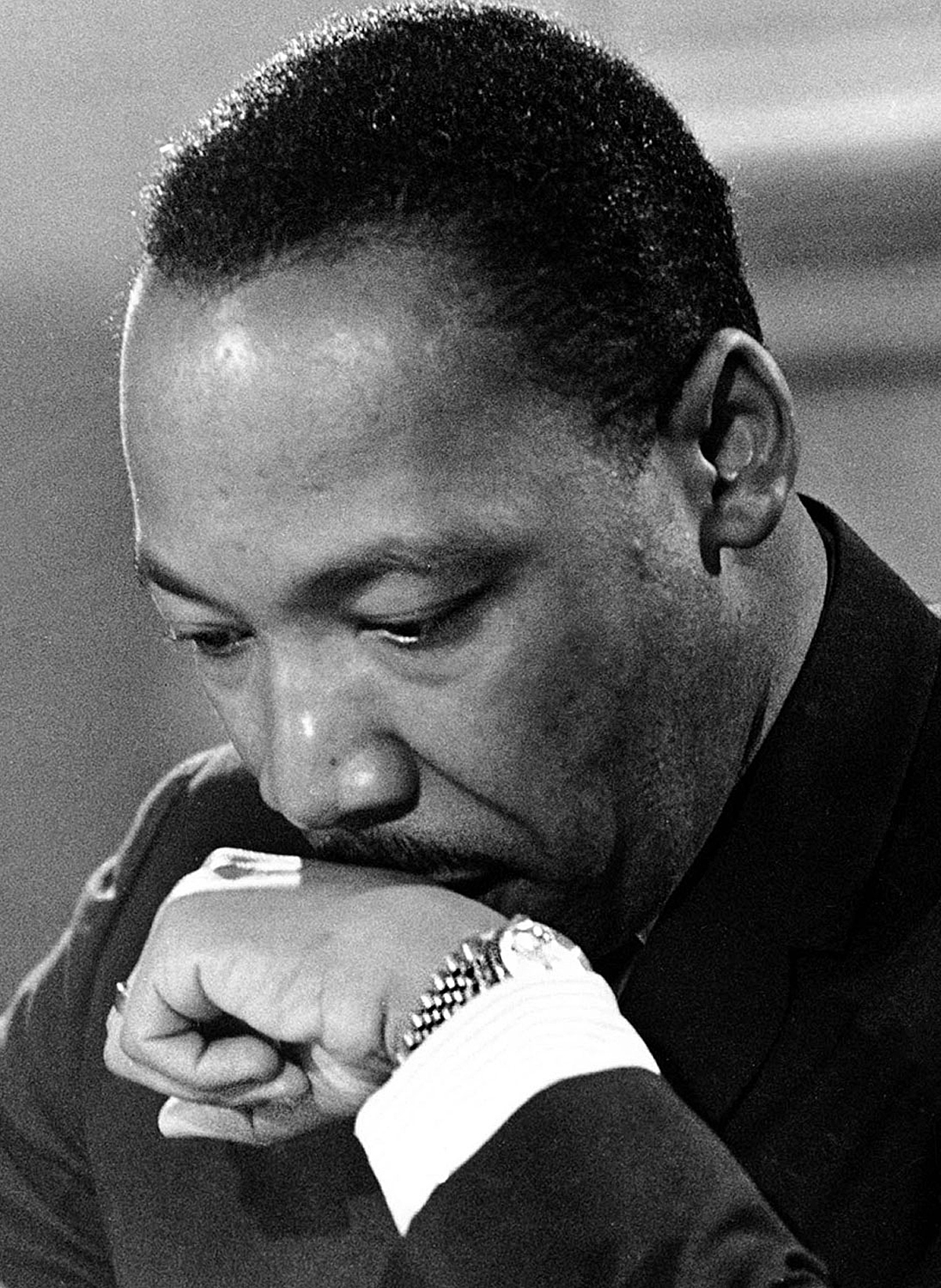
WHY? * APRIL 1968
Recorded live at the Westbury Music Fair, Westbury, New York. April 7, 1968

Recorded live at the Westbury Music Fair, Westbury, New York. April 7, 1968







___
A MCRFB VIEWING TIP
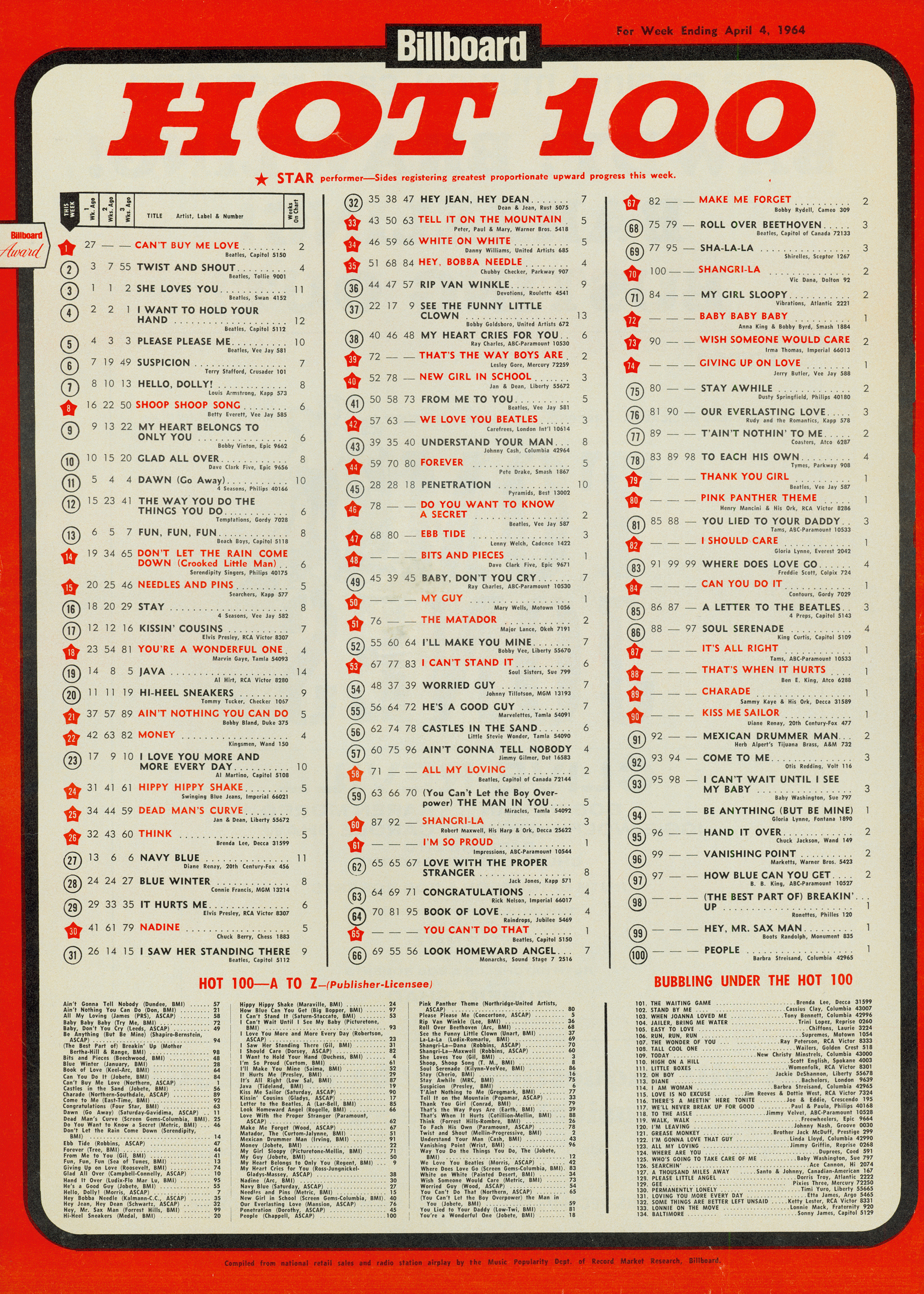
ON YOUR PC? To fully appreciate this Billboard Hot 100 April 4, 1964 chart feature click on image 2x and open to second window. Click image anytime to return to NORMAL image size.
Click your server’s back button to return to MCRFB home page.
On Your Mobile Device? “Stretch” chart across your device screen to magnify for larger print view.
___
These were the HOTTEST Beatles records you bought in early-1964. The TOP FIVE Beatles hits listed above in Billboard, week-ending April 4, 1964.
They were the most popular Beatles singles played on AM Top 40 radio in Detroit — WKNR, WJBK, CKLW, and WXYZ.


WABX-FM * JOHN O’LEARY * APRIL 1977


___
WABX put together this 99x DJ audio collage for their 10th Anniversary concert at Cobo Arena, Thursday, April 28, 1977. During the concert this 99X production piece was played while the WABX Air Aces were all onstage in between acts. Headlining the event that evening were the groups HEART and THE KINKS.
A special THANK YOU to John O’Leary of WABX-FM for recently contributing this 1977 99X memory with Motor City Radio Flashbacks.


___
In this WABX audio you will hear John O’Leary with 99X newsman David Segal updating the news about John Bonham’s (Led Zeppelin) sudden, and unexpectant cause of his reported death. It is after 3:00 in the afternoon of September 25, 1980.
A special THANK YOU to John O’Leary of WABX-FM for recently contributing this 1980 99X memory with Motor City Radio Flashbacks.


___
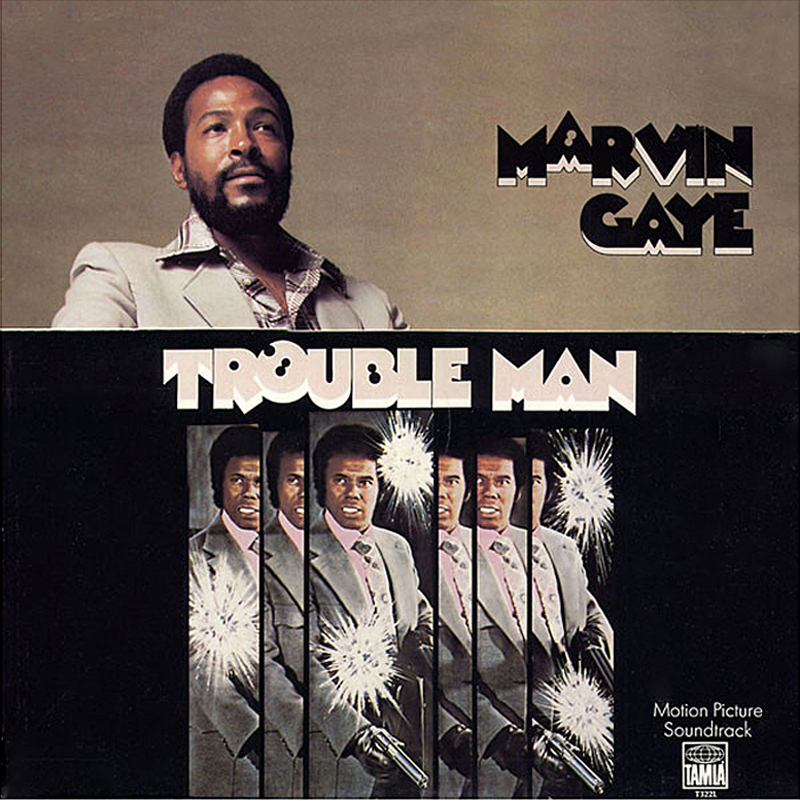
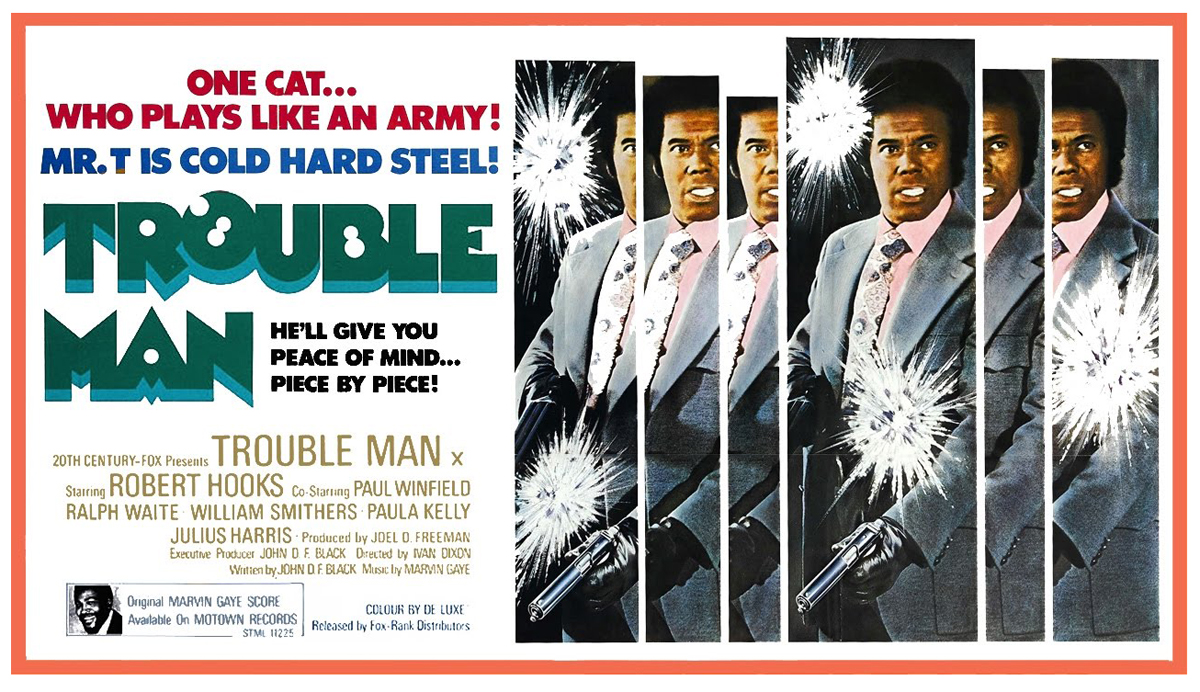
Trouble Man is a soundtrack and twelfth studio album by Motown soul singer Marvin Gaye, released on December 8, 1972, on Motown-subsidiary label Tamla Records. As the soundtrack to the 1972 Blaxploitation film of the same name, the Trouble Man soundtrack was a more contemporary move for Gaye, following his landmark politically charged album What’s Going On. This was the first album to be written and produced solely by Gaye. The only other album recorded under Gaye’s full creative control was In Our Lifetime, released in 1981.
Signing the contract in early 1972, Gaye sought to take advantage of his opportunities. Bolstered by the successes of film soundtracks such as Shaft and Superfly, Motown offered the musician a chance to compose his own film soundtrack after winning rights to produce the crime thriller,Trouble Man.
Following the closing of Detroit’s Hitsville USA studios in 1972, Motown had primarily moved its location to Los Angeles, where Gaye also relocated where he recorded the Trouble Man album. Gaye invited several musicians, including some from the Funk Brothers and musicians from Hamilton Bohannon‘s band.
Gaye would compose five different versions of the title track, including an alternate vocal version, which was used primarily for the film’s intro. The alternate version featured Gaye double-tracking two lead vocal parts into one, bringing his falsetto vocals with his tenor on top of the falsetto. The single version, which was also featured on the soundtrack, would feature a single lead vocal take. The other three versions were put on the album as instrumentals with Gaye providing synthesizer keyboards while saxophone solos (and occasionally guitar) accompany him.
The only other songs in which Gaye vocalized harmonies or performed lead vocals included “Poor Abbey Walsh”, “Cleo’s Apartment”, “Life is a Gamble”, “Don’t Mess with Mister T” and “There Goes Mister T”. (Source: WiKipedia and AllMusic)
A MCRFB Note: For the complete track listing on this album GO HERE.







NEW! J. MICHAEL WILSON WKNR aircheck date: Wednesday, November 16, 1966
___
* THE JIM FELICIANO COLLECTION *
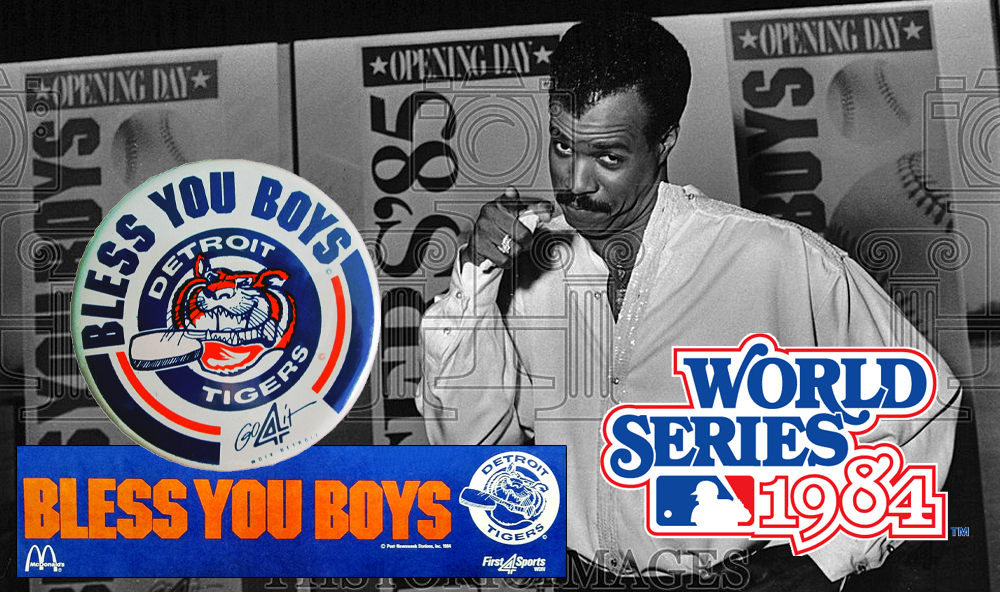

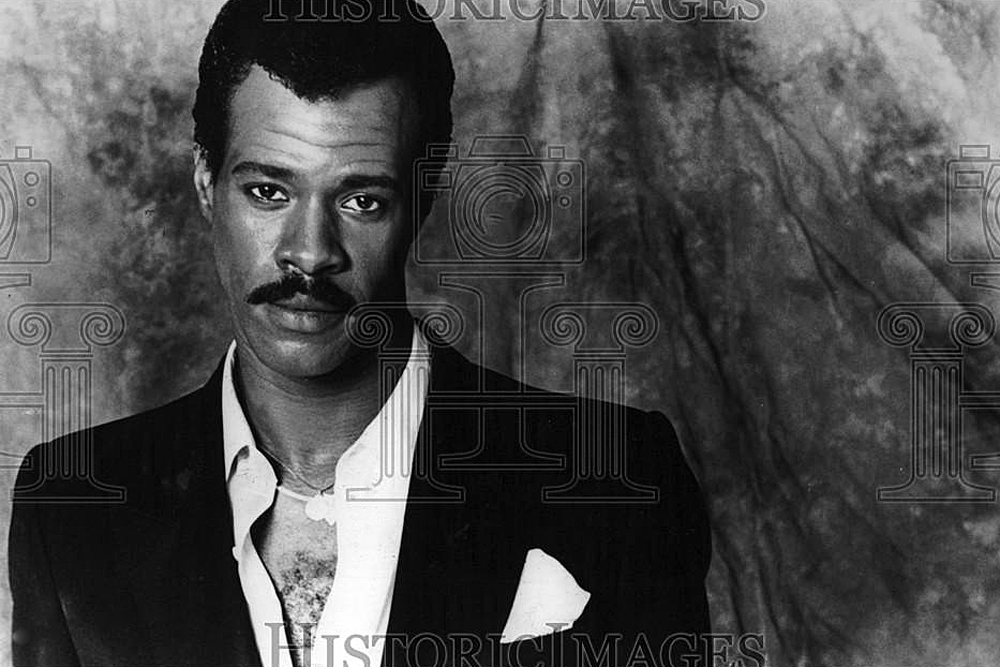
A MCRFB Note: In 1984, besides being an actor, singer and composer, Curtis Gadson was WDIV Channel 4 special projects director when he cut this recording (he co-wrote), “Bless You Boys (This Is The Year).”
As well at the time, Gadson produced and was host to ‘Saturday Night Music Machine,’ broadcast on WDIV-TV in Detroit, 1983-1984.
“BLESS YOU BOYS!”

*****
Besides the voice of Ernie Harwell, the various narratives you will hear throughout the entire audio book (or excerpts) is by Raleigh, N.C. sports broadcaster Gordon Miller. Occasional questions you will also hear is by veteran Duke University sports broadcaster Bob Harris.
*****
Ernie Harwell passed away on May 4, 2010. He was commonly known as “the voice of the Detroit Tigers” for over 40 years. He called his last Tiger game in Toronto, on September 29, 2002. In 1981, Harwell was awarded baseball’s most prestigious Ford C. Frick Award. He became only the fifth baseball broadcaster enshrined into the Baseball Hall of Fame.
*****
(CD audio set availability, link: Ernie Harwell’s Audio Scrapbook 2009)
