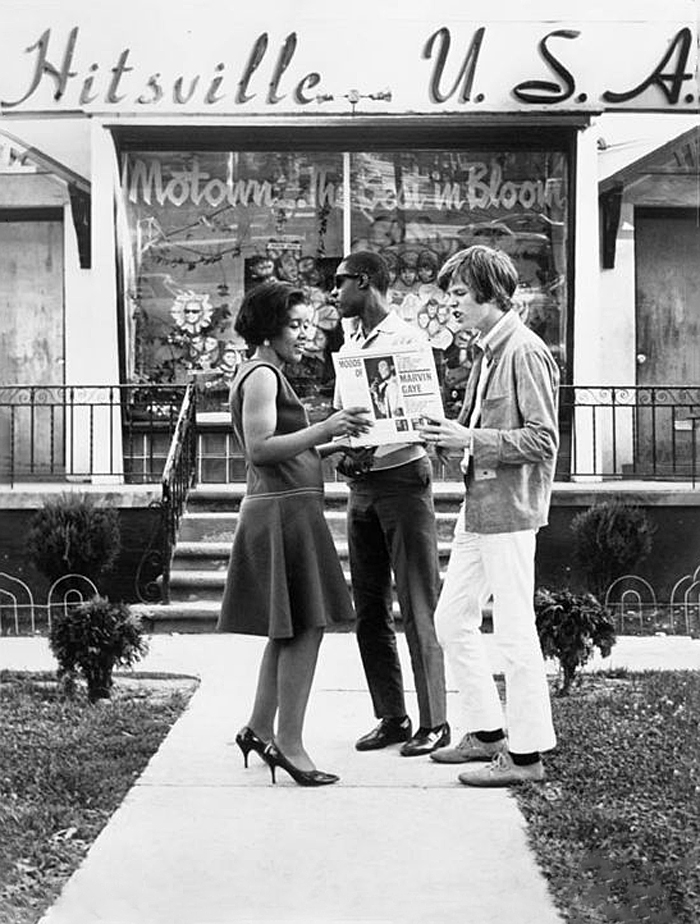
TAMLA MOTOWN Appreciation Society’s Margaret Phelps chaperones Stevie Wonder, Peter Noone outside Hitsville U.S.A. Friday, July 29, 1966
Friday, August 5, 1966
A DETROIT RADIO BACK-PAGE
___
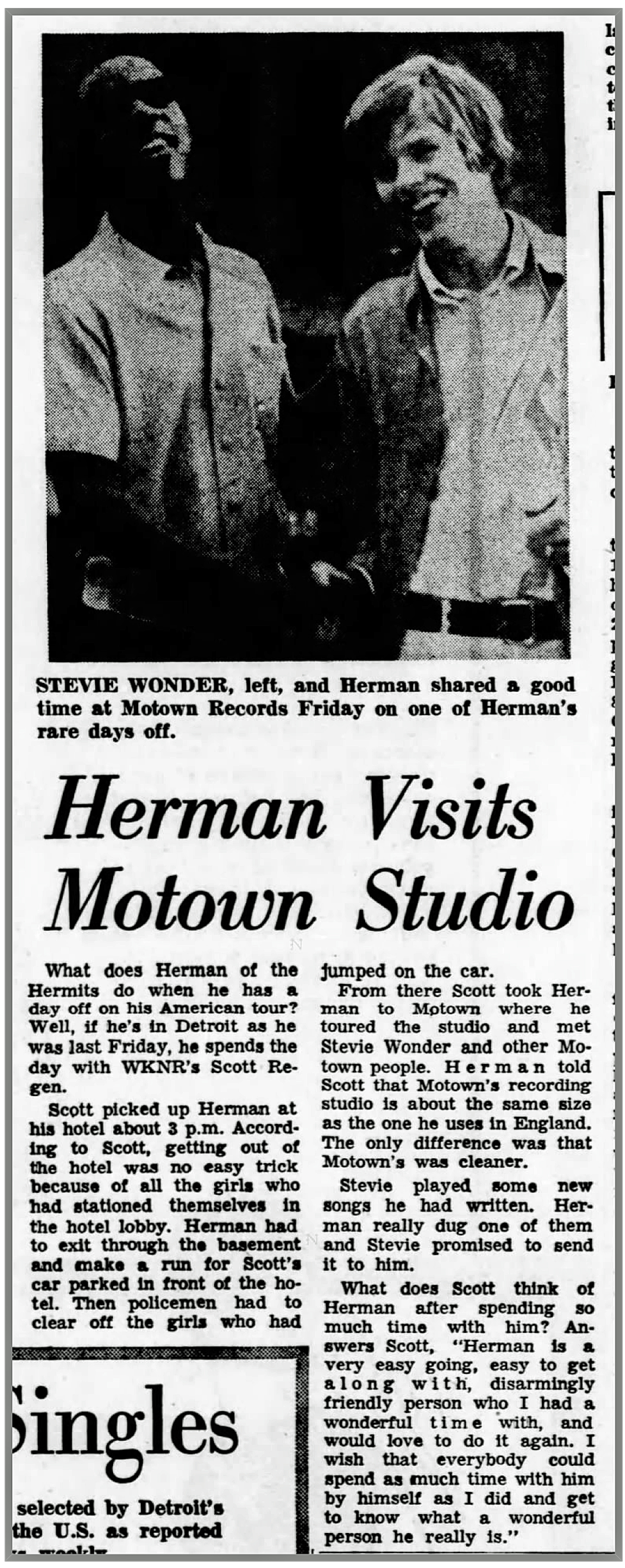
DETROIT FREE PRESS: ‘Herman Visits Motown Studio’
(Above WKNR related article is courtesy freep.com newspaper archive. Copyright 2017. Newspapers.com).
A MCRFB viewing tip: On your PC? You can read the entire 1984 article! For a larger detailed view click above image 2x and open to second window. Click image anytime to return to NORMAL image size.
Click your server’s back button to return to MCRFB.COM home page.
On your mobile device? Open to second window. “Stretch” image across your device screen to magnify for largest print view.
Missed any of our previous ‘Detroit Radio Back-Pages‘ features?GO HERE.
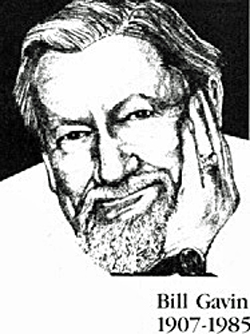
From the Desk of Bill Gavin Billboard Contributing Editor
SAN FRANCISCO — The music director at a top 40 station in a large city holds his job largely by continuing to demonstrate his ability to select the new records that eventually become hits. Every week, when he makes his top pick or discovery, he puts his reputation on the line.
It occasionally happens that even after his station has been playing his pick of the week once an hour for a week, none of the local stores can report any significant sales on it. Should such a thing happen with any degree of regularity. his boss will start looking for a new music director.
One annoying circumstance arises occasionally: a few weeks after a pick has been heavily played and yet has sold little or nothing in the market, it looms up in other cities and becomes a national hit. This is pretty frustrating. Why can’t the first station to spot a record’s potential break it for a hit?
BECAUSE IN MOST CASES, the record isn’t in the stores. The dealers get customer calls but don’t have it. Sometimes they’ll try to order it from the distributor and find that he hasn’t stocked it. By the time it finally reaches its destination at the retailer point of sale, there may be no further demand for it. The station may have dropped it entirely, figuring that it was a bomb.
This kicks back at the station, too, in the form of listener displeasure. Those who have tried to buy the record, in the belief that it must be important, have their enthusiasm dampened when they find that it isn’t available in the stores. Their confidence in the station is shaken. It’s unfortunate all the way around. Everybody loses.
Who gets blamed? Everybody. The retailer should keep up with what is being picked for air play, and he should have the new items in stock. The distributor should have stock on the floor, ready to move it out to the stores at the first sign of action. The music director should make certain of the record’s immediate availability before he picks it. At least, that’s the way everyone involved tries to evade the responsibility by blaming someone else.
A closer liaison between the station and the distributor can avoid such situations. Some of the nation’s most successful music directors always check with the distributor before picking a record. When will stock he available? If the station goes on the record, will the distributor order it? Will he guarantee an initial allocation to key retailers?
IT HAPPENS OCCASIONALLY that two or three versions of a record will appear almost simultaneously. Which label gets the pick? It is not always the version with the better sound. It is often the version whose distributor is known to be alert and aggressive, and who can be depended upon to get it on the dealers’ shelves.
This doesn’t necessarily mean that the distributor must guarantee 100 per cent. It should be enough – and usually is – that he will back up the station’s confidence in his product by making it quickly available to the dealers if they need it.
Most important distributors follow this kind of a policy. It is hard to understand why all do not. It is a weakness more often encountered in factory owned or controlled branches, where stock is controlled by the national brass, who estimate which of their weekly releases are most likely to be in demand. In such cases, the decision of an important station to pick a left field possibility – something that is not considered by the bosses to be a top plug item – is occasionally ignored by the local branch manager.
Station music directors are becoming more discriminating with picks in relations to practical sales prospects in a local market. It is a trend that merits serious consideration by record people, in improving their coordination between promotion and sales. END
___
(Information and news source: Billboard; October 19, 1963)
A MCRFB Viewing Tip: On your PC? For a larger detailed viewclick image 2x and open to second window. Click image anytime to return to NORMAL image size.
Click your server’s back button to return to MCRFB home page.
On your mobile device? Tap on image. Open to second window. “Stretch” across the featured image on your device screen to magnify for larger print view.
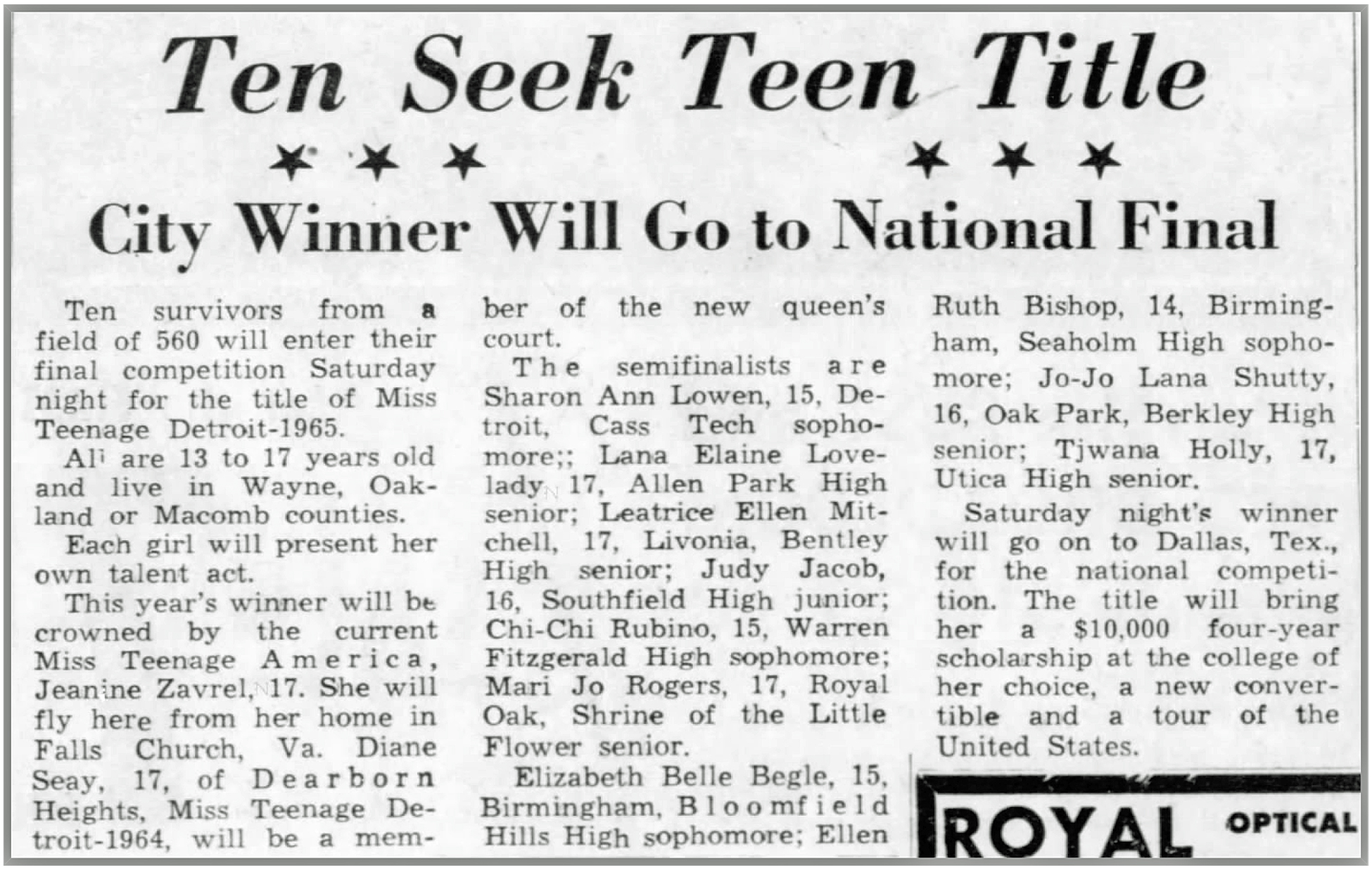
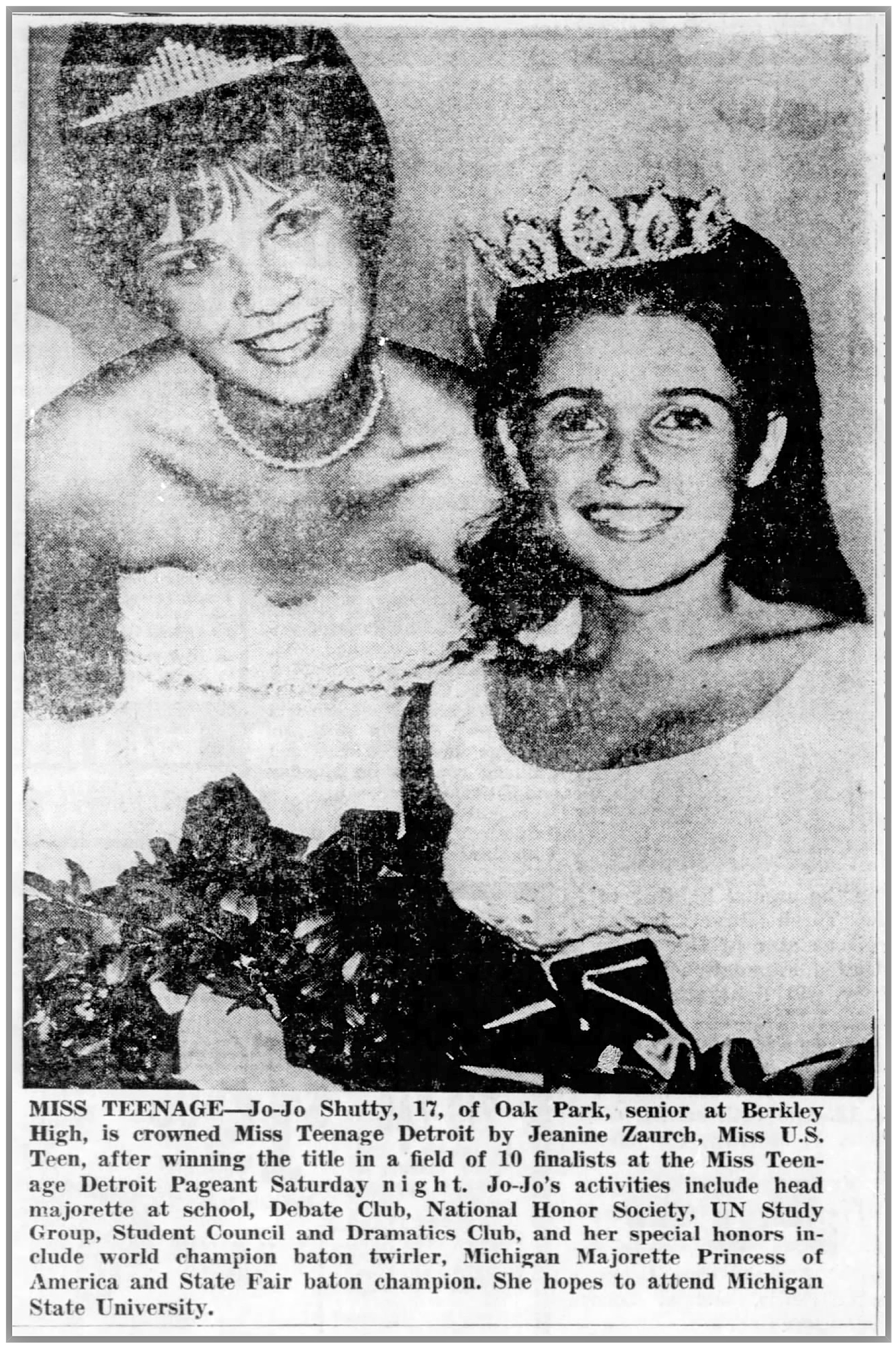
DETROIT FREE PRESS | Thursday, October 15, 1964
DETROIT FREE PRESS | Monday, October 19, 1964
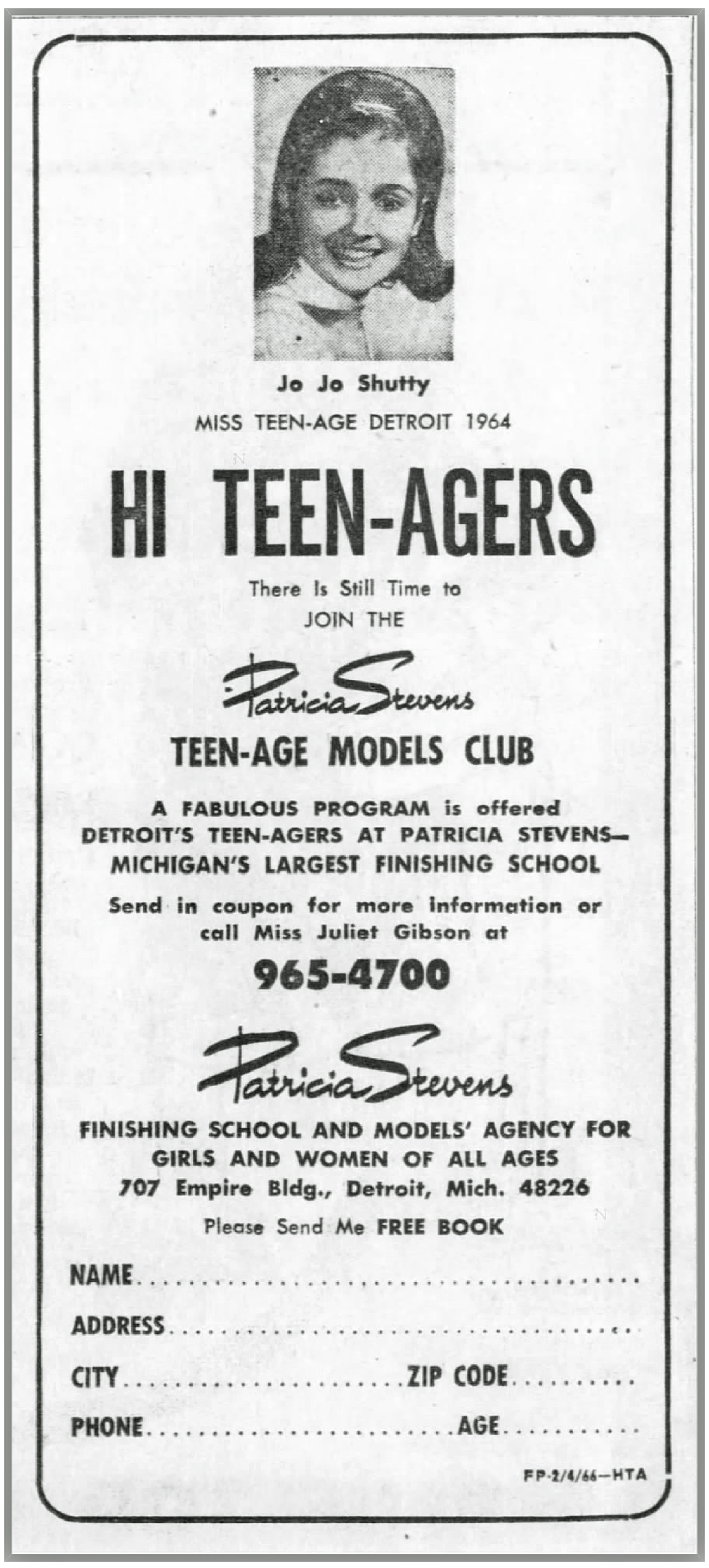
DETROIT FREE PRESS | Friday, February 4, 1966
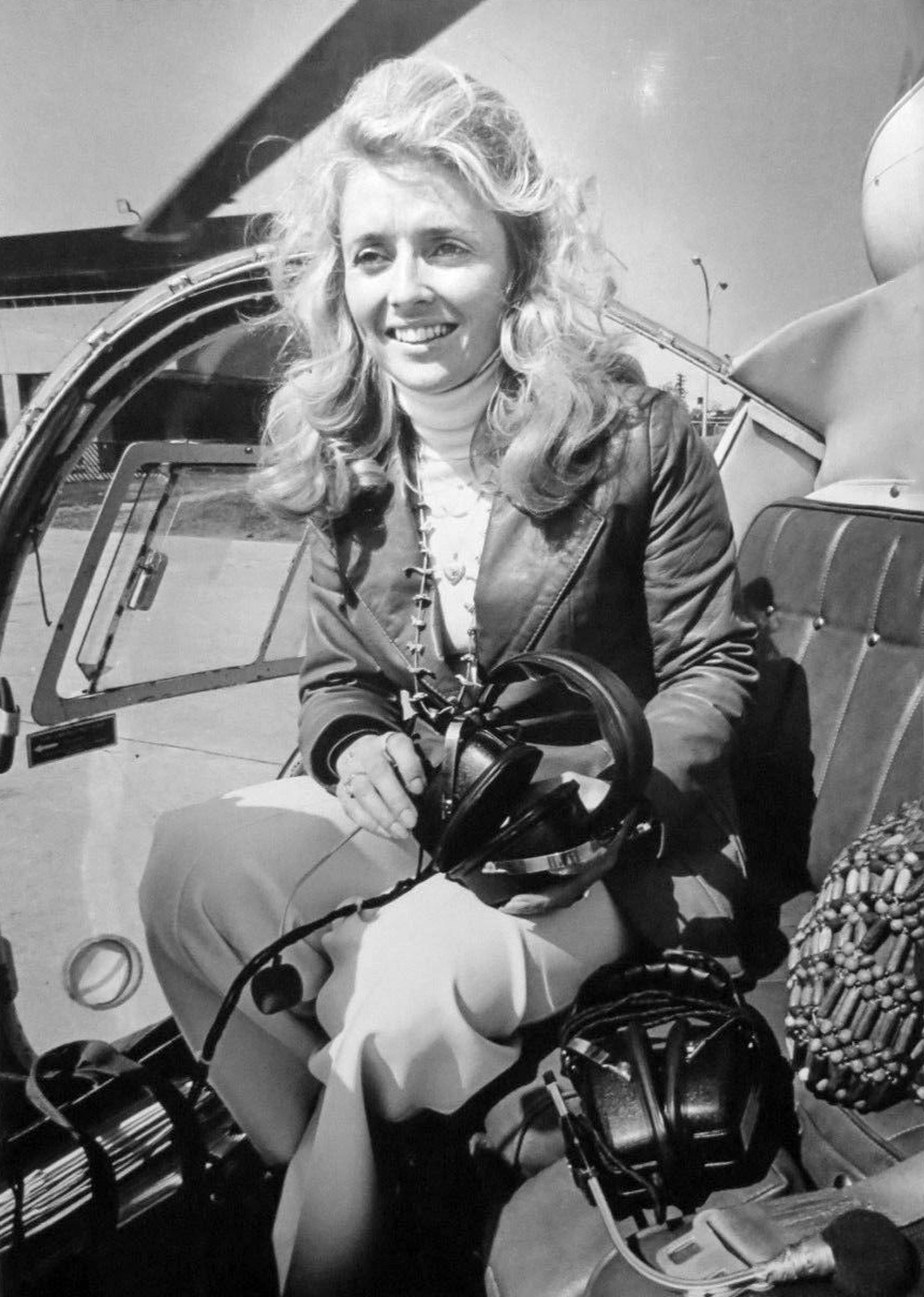
The nation’s first female (CKLW) helicopter traffic reporter Jo Jo Shutty1971
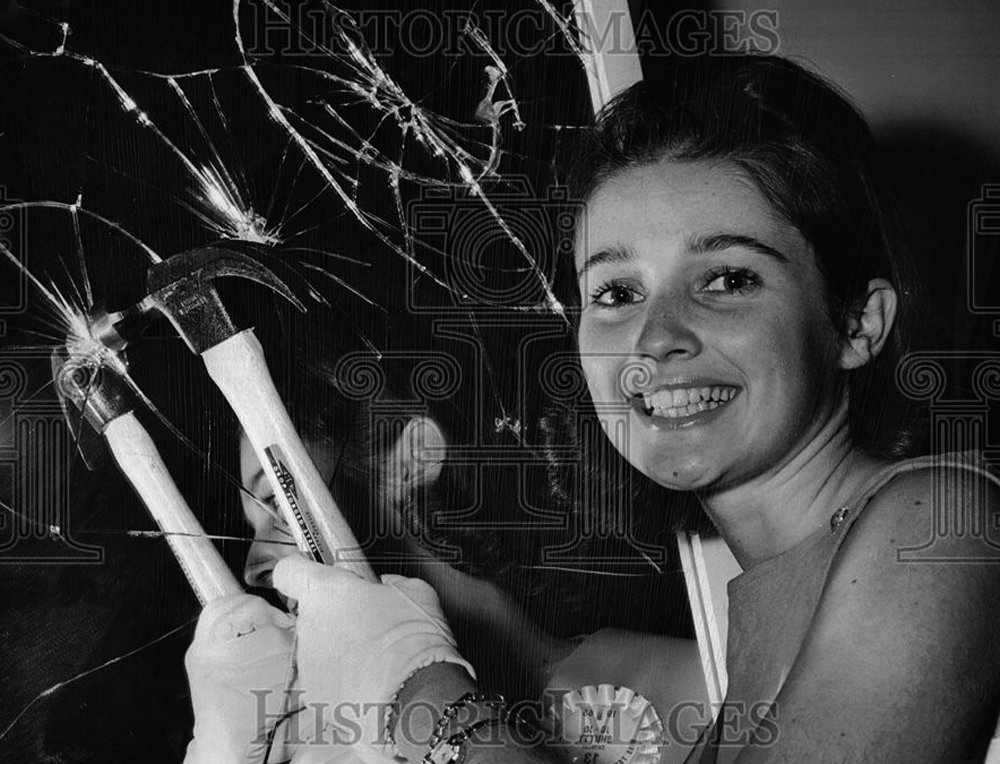
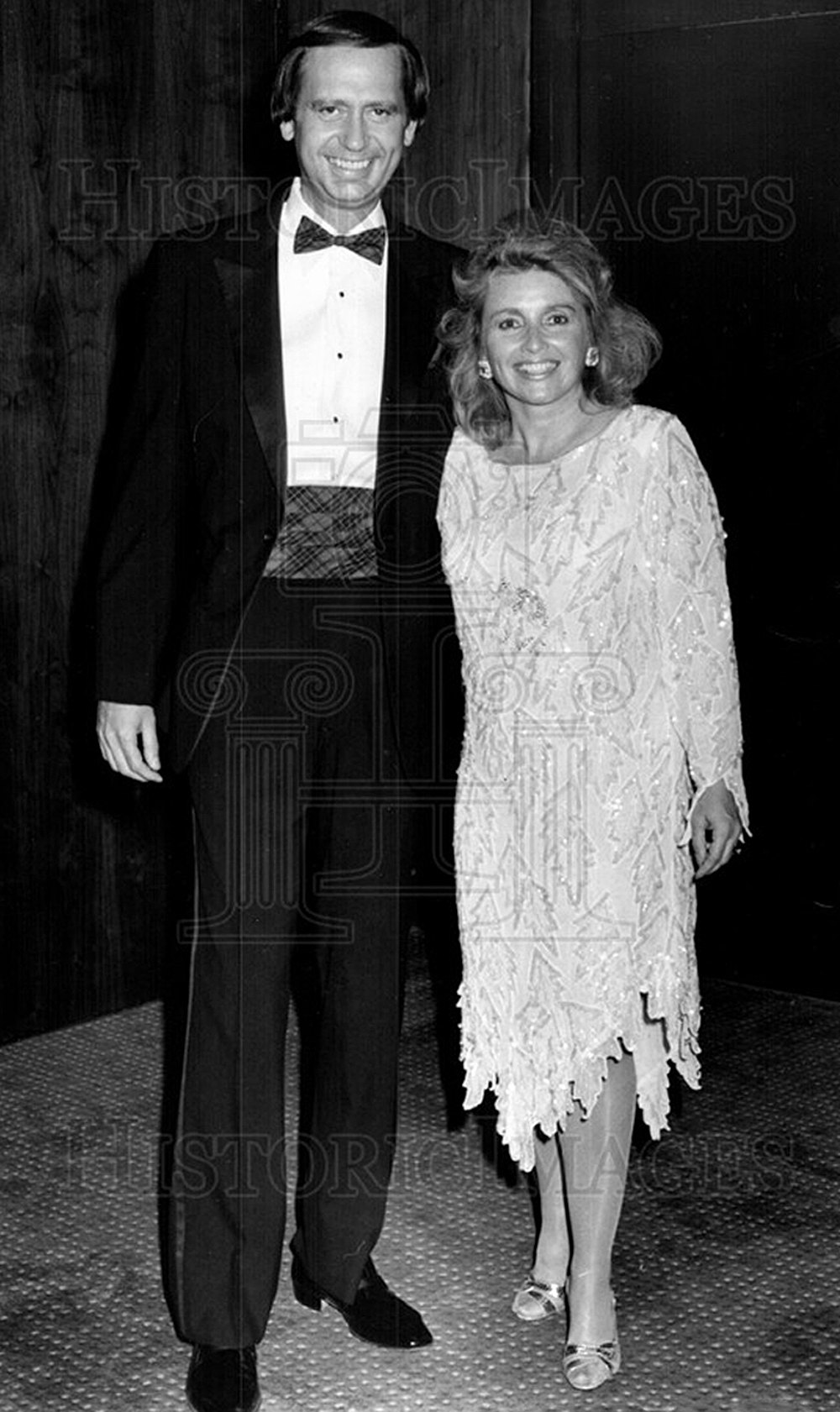
Jo Jo Shutty, age 16. ‘Miss Teenage Detroit’ 1964. The initial photo caption read, “Jo Jo Shutty, she broke the mold!”(Press Photo; 1964)Jo Jo Shutty, 17, a Youth Safety Spokesperson for Lincoln Mercury Division, pictured here with Ned Aberly, 17, the 1964 National Teenage Safe Driving Road-E-O winner.(Press Photo; 1965)Byron MacGregor and Jo Jo Shutty MacGregor (Press Photo; 1995)
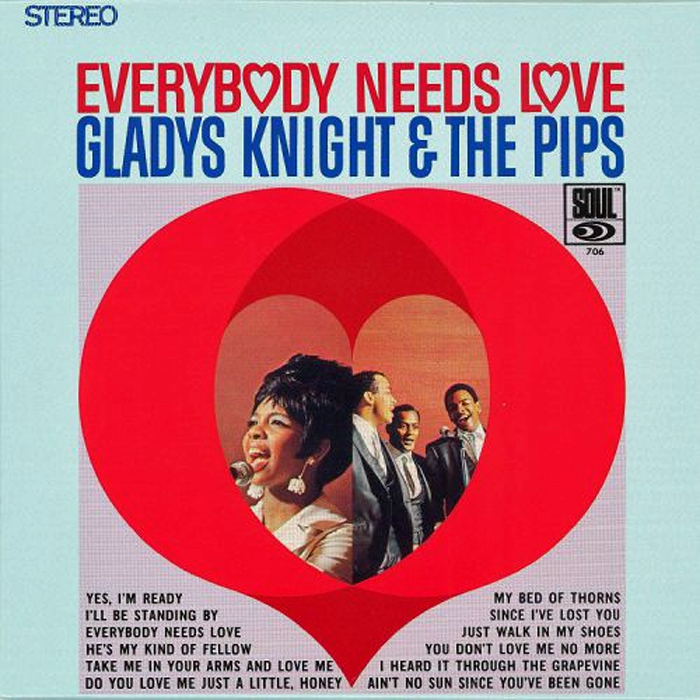
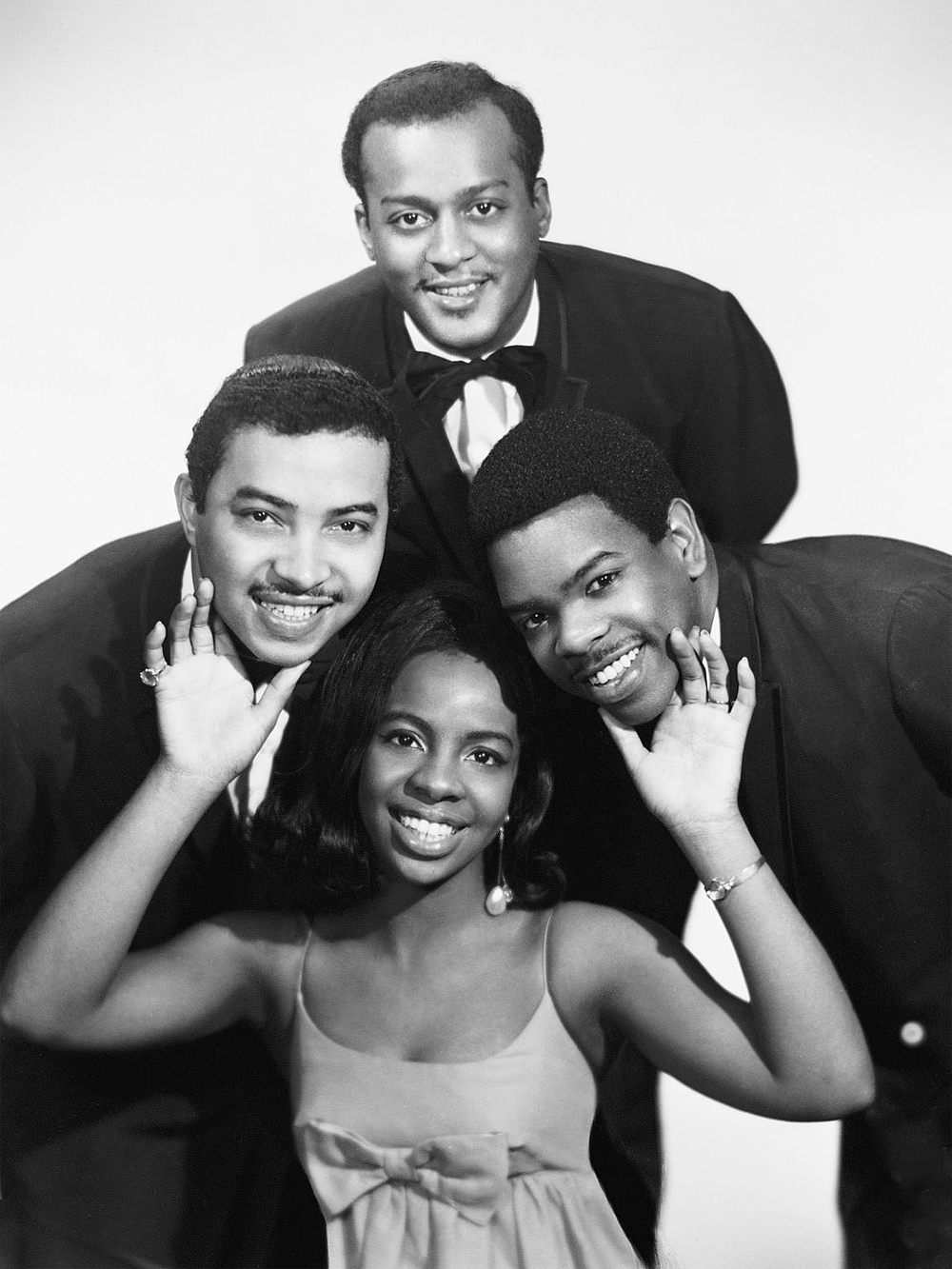
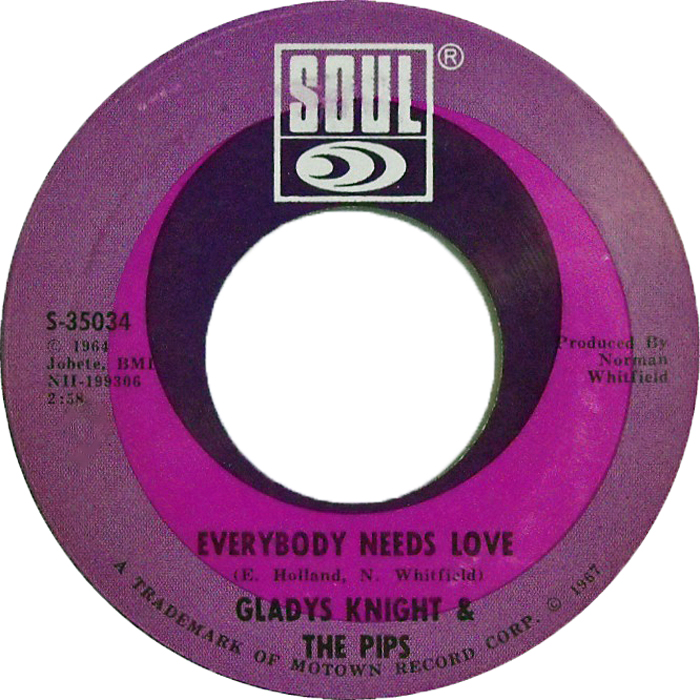
‘EVERYBODY NEEDS LOVE‘ became the debut album for Gladys Knight & The Pips. It was recorded in 1966 and also in 1967, prior its release in September. The group having been signed in 1966 to the Motown SOUL label, their LP made the Billboard Top 200 peaking at No. 60, late-1967. The album ranked much higher at No. 12 on the Billboard R&B LP chart. Two tracks off the LP made the singles chart. “Everybody Need Love,” was also the group’s debut single. It reached No. 39 in early-1967. The second single from the LP, “I Heard It Through The Grapevine,” peaked at No. 1 (R&B) and hit No. 2 (Pop) in December 1967. The album was produced byNorman Whitfield, Harvey Fuqua, Johnny Bristol, andSmokey Robinson.GLADYS KNIGHT & THE PIPS1967
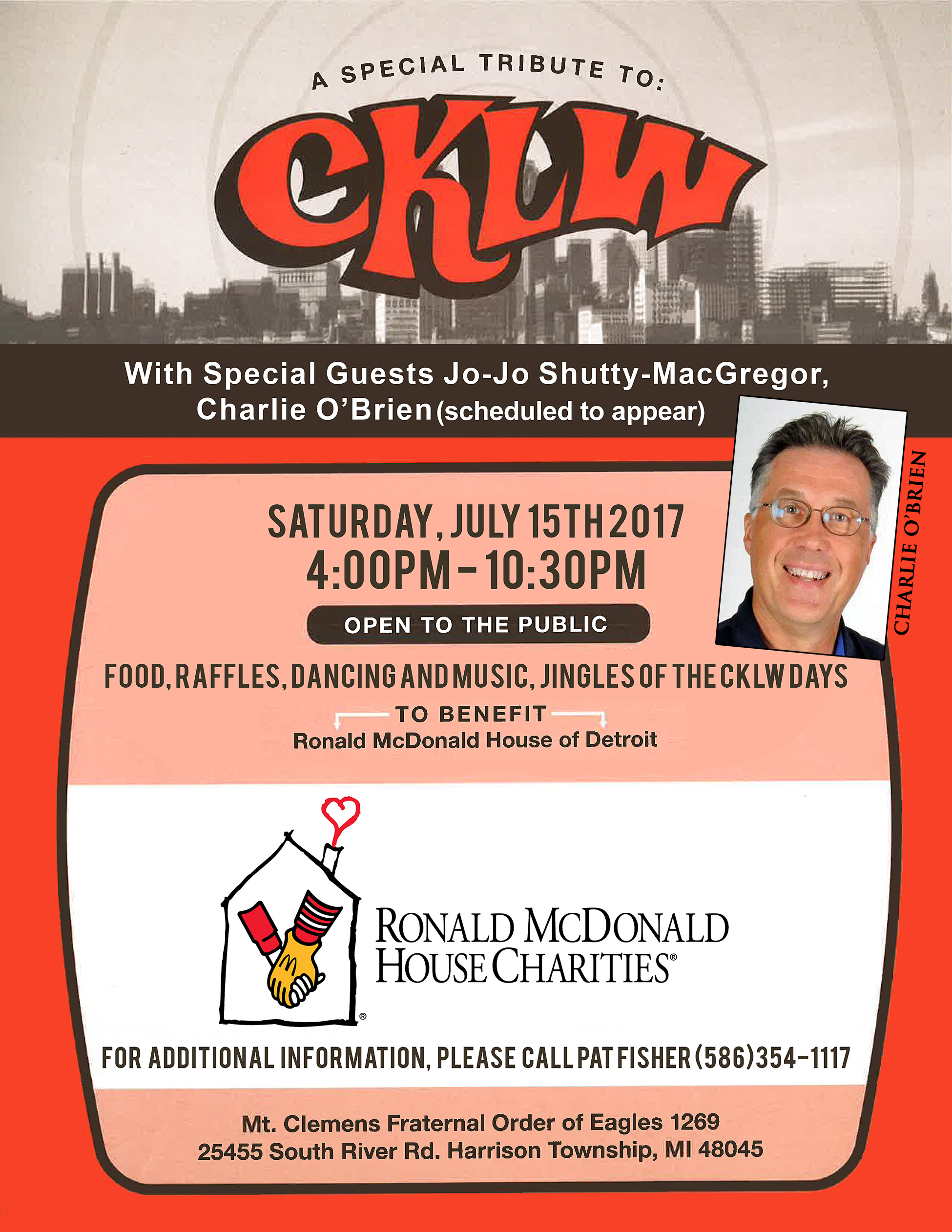
Hello, Charlie O’Brien here. Just a quick note about the CKLW Charity Tribute happening today for the 50th Anniversary of the BIG 8 Format.
It was spring/summer 1967 50 years ago that the Big 8 debuted on CKLW.
The Mt. Clemens Fraternal Order of Eagles are holding a FREE party at their lodge and property along the Clinton River in Harrison Township – TODAY – Saturday — July 15 — from 4pm-10:30-pm.
All proceeds from food and raffles go to Ronald McDonald Charities of Detroit.
“Brother’ Bill Gable, JoJo Shutty MacGregor and Charlie O’Brien are scheduled to appear.
It’s a FREE event open to all CKLW and all Motor City radio fans! More info on the Big 8 Facebook page:http://www.facebook.com/big8cklw– so come on down and join in on the fun — SEE YOU THERE! 🙂
___
TODAY! JULY 15, 2017
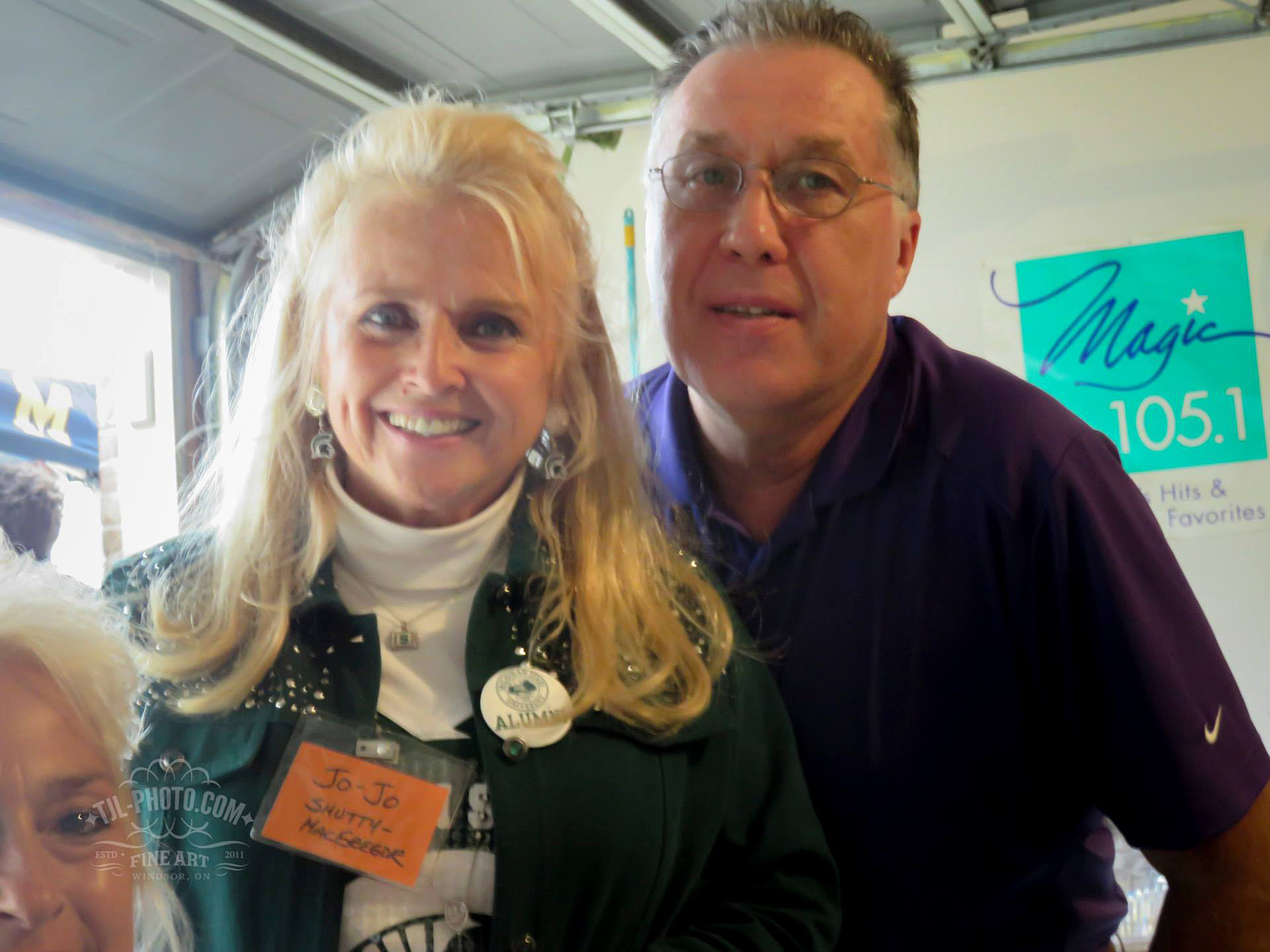
Jo-Jo Shutty MacGregor and Charlie O’Brien(photo courtesy Charlie O’Brien)