— THE McCOYS —
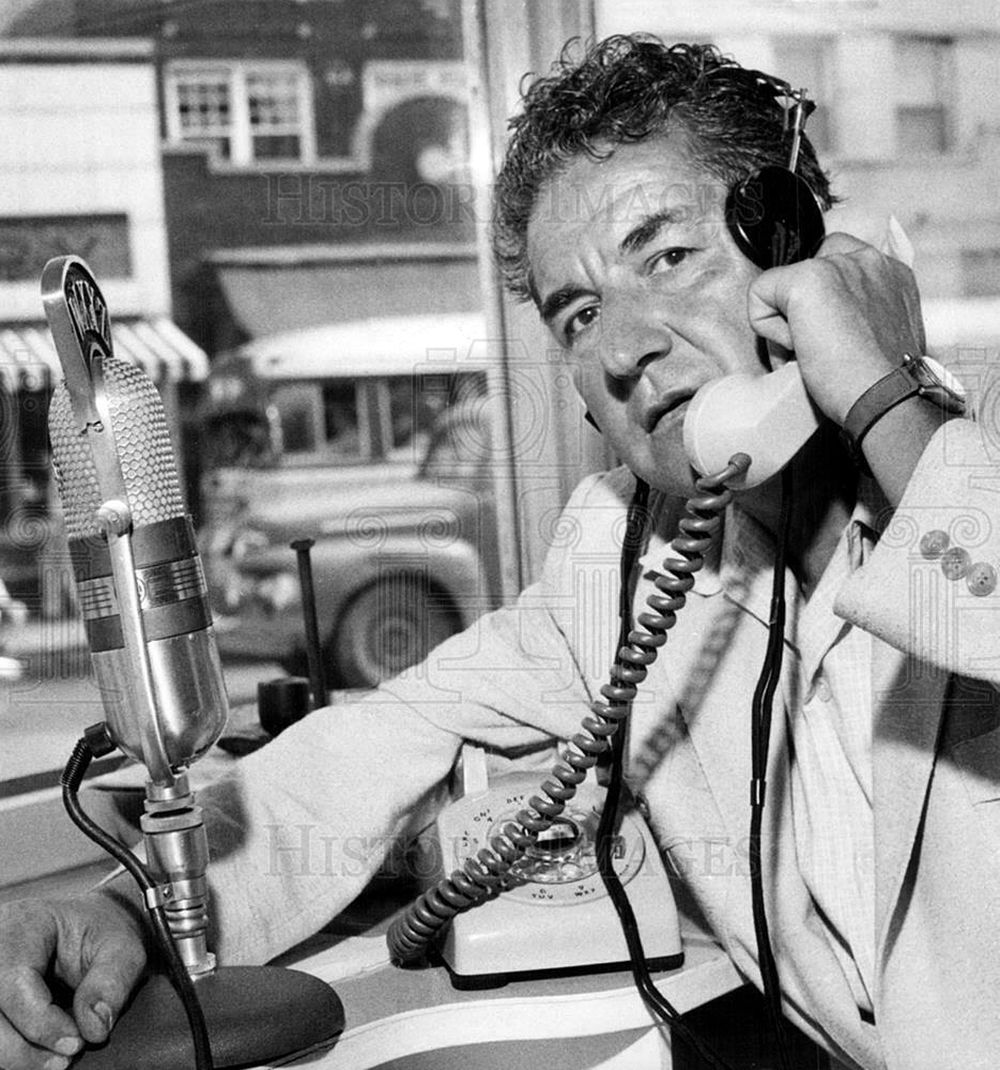
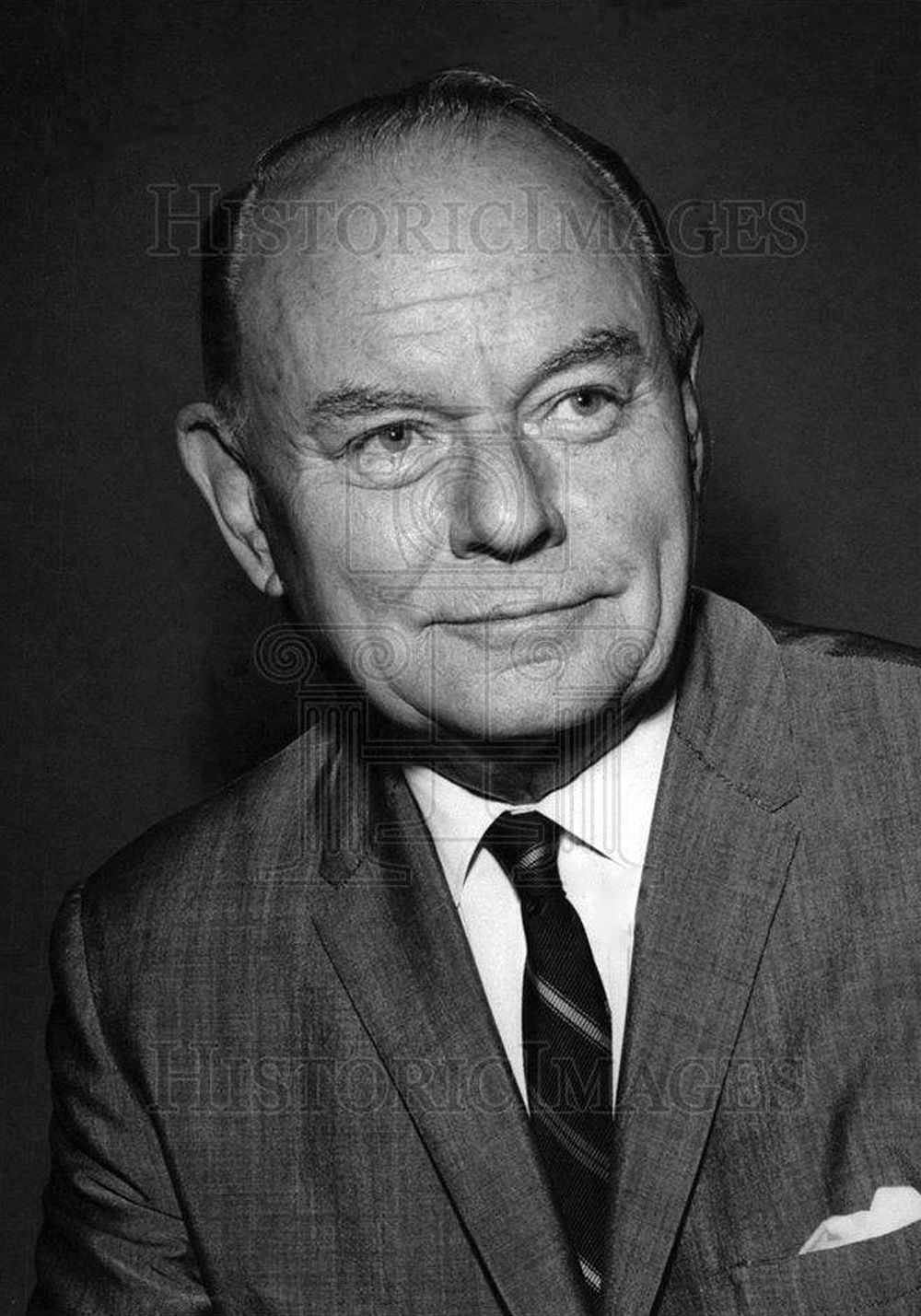
Debuted on November 13 (#72), 2 weeks playing the Billboard Singles chart, “Fever” hits #55, this week, November 14-20, 1965.


— THE McCOYS —
Debuted on November 13 (#72), 2 weeks playing the Billboard Singles chart, “Fever” hits #55, this week, November 14-20, 1965.

— BILLY JOE ROYAL —
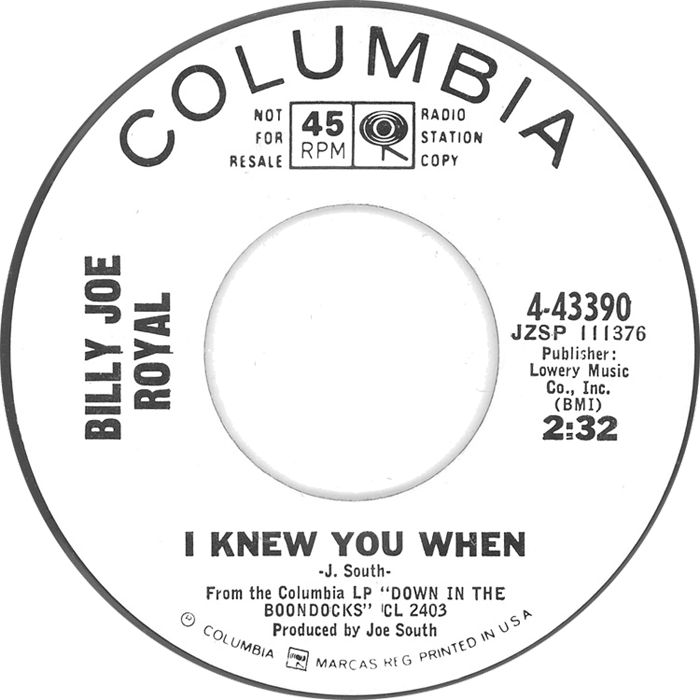
Debuted on September 18 (#92), 10 weeks playing the Billboard Singles chart, “I Knew You When” hits #18, this week, November 14-20, 1965.
 From the MCRFB NEWS archive: 1970
Meeks Enters Third Decade Providing PAMS Jingles Service . . . And More
DALLAS — Nearly twenty-years ago Bill Meeks thought up the name PAMS for a banking client. A short time later the bank gave it back to him. PAMS then became the name of Meek’s new company, one which would revolutionize the commercial jingle and station industry.
PAMS means Production-Advertising-Merchandising-Service. To Meeks and his companions, it means a great deal more. Not only is it the largest company of its kind in the world (more than 1,000 clients), but it has been a salvation to the music industry in Dallas.
It was on March 8, 1951, when it all started. Bill Meeks was a musician — a saxophone player — who worked in a staff band for WFAA, and then for KLIF, when Gordon McClendon put it on the air in 1947.
 It was here that Meeks invented the concept of musical station breaks. He was the contractor for the station, and he sort of “put things together.” Leaving his saxophone (plus clarinet and flute) behind him, he went into time sales. He sold many accounts, began to form a good relationship with his clients, and then — inevitably — formed his own agency. That’s when he invented the PAMS name, only to have it given back. It would be the greatest bit of Indian giving in musical history.
Meeks began his musical jingles with a syndicated series, “We put a man on the road, cut the background music and sang the call letters over the music, customizing for each city,” he said.
The jingle impresario said he immediately began to check with the Union to be sure we were on safe ground. “As an old Union musician, I wanted to be sure. Petrillo told us to do our own thing in Dallas, whatever we thought best. He told us to ignore the rule that said the voice and sound must be done at the same time, so we did.” That rule of course, has since been changed. And Dallas has always continued to do its own thing, despite some pressure from unions in other cities.
PAMS had about 12 or 13 jingles in its first series, and 23 in its second. Series 3 was a disk jockey introduction. Series 4 was the first variable length station ID. Series 5 was a group of merchant jingles cut for Chevrolet dealers, and made available to the entire United States.
It was Meek’s first big commercial success.
Series 6 was a new sound, using a group called the Moonmaids. On and on it went; rhythm and blues on one, a top 40 sound on another, all-male groups, all-female groups, mixed groups, mixed groups, station signatures, music logos, a living radio series, high school fight songs (done on location), sounds of the cities (with seasonal backgrounds), a New Frontier series, and then a pair of Sonovox series, with talking guitars, flutes, trombones, etc.
There were weather-ettes, “sonomagic and animajic” His and Hers Radio, an All-American series, a Jet Set thing utilizing “iconagentics,” a go-go series, pussycat, swisle, music power, the new generation, and modules.
Right now Meeks and his associates are working on Series 41, which hasn’t yet been named. Musical contests are being put together at this time.
Basic Staff
All of this, of course, has required not only great musicianship, but the ability of singers to sight read, to innovate, to adopt a mood at once, and to perform anytime of night or night.
“Through the years we have maintained a basic staff,” Meeks said, “but we always brought in outside musicians when we need them. Among them has been such guitar players as Glen Campbell. We could name many other big ones.”
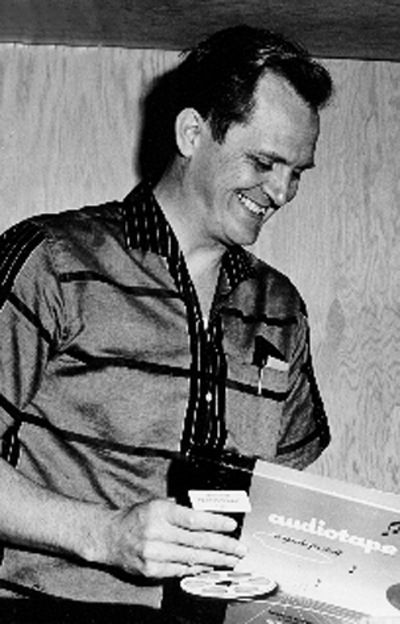
Bill Meeks is president of the company, and his wife, Majorie, is vice-president. Another vice-president is Clifford Moore. Toby Arnold, a ten-year veteran with the firm, is sales manager, and has a working knowledge of virtually every radio operation in America. Bob Piper is musical director and Marvin Show is an arranger-producer. Ray Hurst is a creative writer and producer, and Jim Kirk is a writer-producer-musician-singer. There are two engineers and mixers. Bruce Collier, chief engineer, is regarded one of the finest in his field. He is ably aided by Bob Peepols.
Alan Box works in editing, and Gloria Watkins is a friendly, attractive, capable singer, writer, musician. Jim Clancy is a singer, and there are two lead girl singers (unusual in itself) in Carol Piper and Jackie Dixon. Jack Peters is another writer-arranger-musician.
Only people who believe in being a full part of the staff work for PAMS. All are on a guaranteed staff salary, and some of those salaries are extremely high even by Texas standards.
“There are many advantages in having our own people,” Meeks said. “First of all, they’re an integral part of the organization and they are loyal. They work well together. And when we play an audition for a client he knows exactly what the master will sound like.”
PAMS does sound tracks for films, and does many commercials but station ID’s constitute about 80 per cent of the business. Yet, Meeks estimates that 50 per cent of all jingles done in Dallas comes from the PAMS studios. There are three studios in all.
To make his point emphatic about bringing in musicians when he needs them, Meeks points out that PAMS has spent $110,000 on outside talent through the first nine months of this year.
Meeks began his company modestly. Originally he had a couple of Ampex machines, with no equalization equipment, no echo-chamber. Now, with three studios, he has a complete operation. His newest board, a Neuman, was custom-made in Germany with 10 and 16 tracks. His American board is an Electrodyne. He has his own Moog.
The newest studio is for privacy, for creativity. Its doors are locked, with keys held only by the staff talent. It has a telephone, but the number is unlisted. This is where creative production is done.
“We serve as production arm to radio stations,” Meeks said. “We give them complete service; we owe it to them.” This close relationship is attested to by the fact that the clients, now above the 1,000 mark, keep climbing.
Dallas is attracting new talent, according to Meeks. “We used to have to shuffle around to find people, but now they come in to audition. And they’re coming in droves from such places as New York and Los Angeles. They know it’s happening in Texas.”
PAMS now is scoring many films — and it has the talented musicians to get the job done. This is being done by both American and Canadian companies.
And what is next? “I’ve been thinking for a long time about the record business,” Meeks said. “All of us have been talking about it, and we just might involve ourselves in records.” And why not, with 1,000 satisfied radio stations already customers. END
___
(Information and news source: Billboard; November 21, 1970)




From the MCRFB NEWS archive: 1964
BEATLES GROSS $17,000,000 PLUS IN 6 MONTHS
NEW YORK — In the six months prior to the peak of their American success, Beatles records grossed $17,500,000, according to EMI Managing Director John Wall.
This figure, which does not include the huge sales of Beatles records here in the United States, shows the staggering impact the group has had on the record industry around the world.
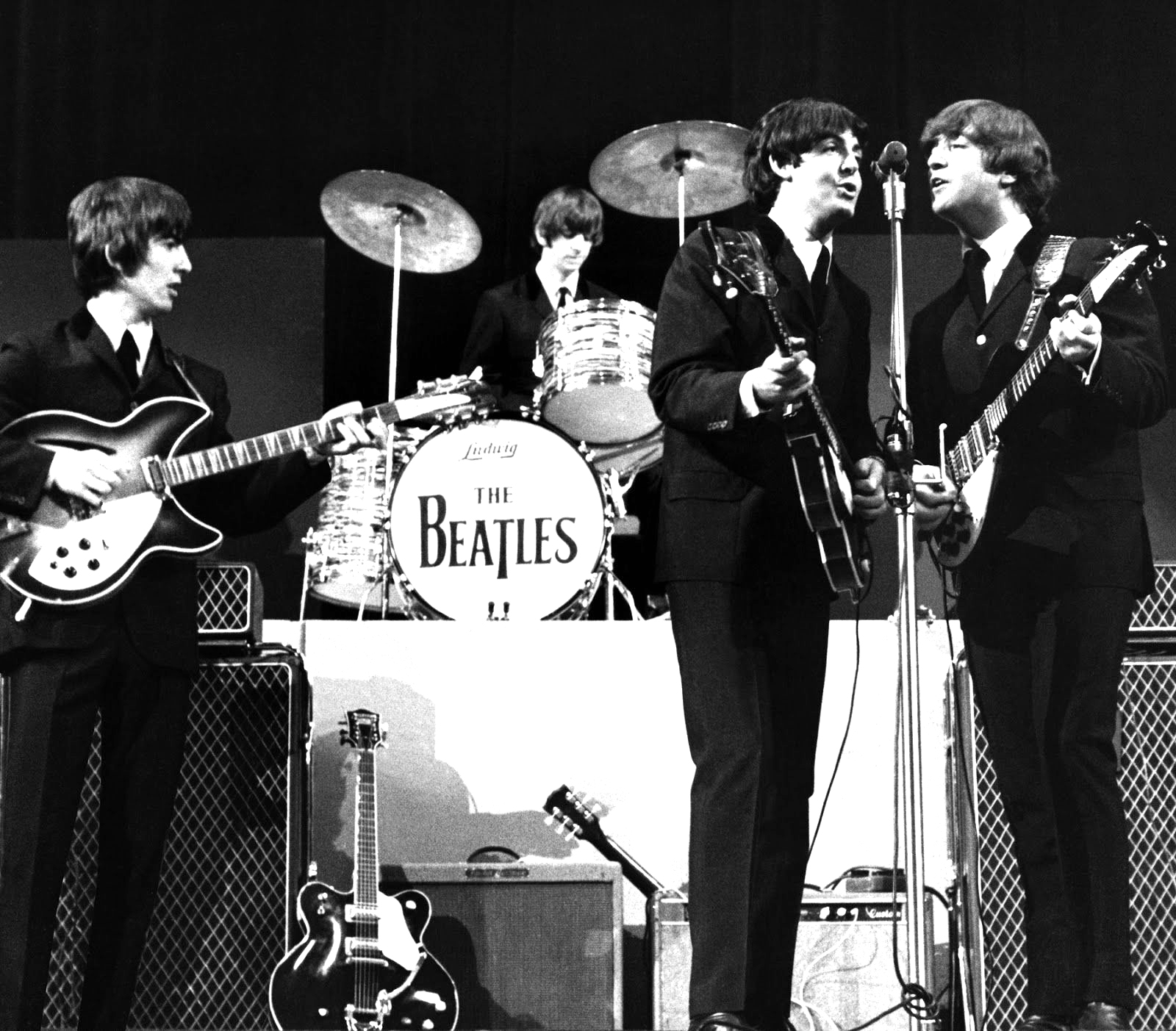
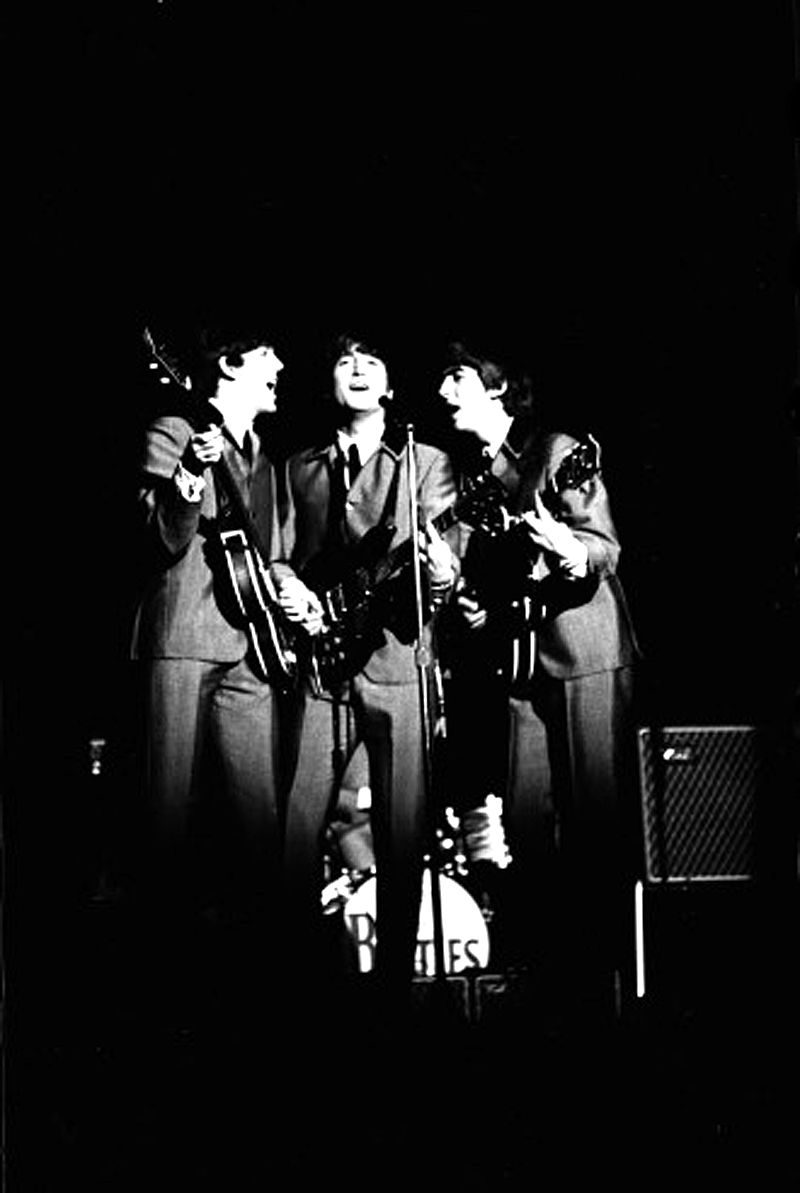
Beatles records, whether “I Want To Hold Your Hand” or “I Saw her Standing There,” have risen to the top of the charts around the world on a grand scale. Besides England and the United States, the Beatles have topped charts globally whether in Australia, Eire, France, Holland, New Zealand, Norway and Hong Kong. Yet to be tapped by the hot British band are the Spanish speaking nations in Europe and South America, Germany and Japan.
The push is already on. In Spain, for instance, strong publicity is being done to further advance the pop group’s sensational rise. Also, the Beatles’ “I Want To Hold Your Hand” and other Beatles chart hits is gaining widespread popular airplay on the radio in Spain. A recent cover of the Spaniard fan magazine Discomania showered the Liverpool group with a large feature coverage. As planned, the strategy would be to further promote the “new Liverpool sound” which could potentially translate into a huge global market share there as well.
With the Beatles’ music popularity on the rise in Spain, it is anticipated it may become easier to introduce Beatle records through Central and South America, in the coming months ahead. It is commonly known that Spanish-speaking nations are tougher markets for English-speaking artists.
For the powerful German market, the Beatles have cut records in that country’s native language. This country has become a tough market for English-speaking artists in recent years as well. The German Beatles disks were cut in France during the group’s recent tour there prior to coming to America. END
___
(Information and news source: Billboard; February 29, 1964)




*****
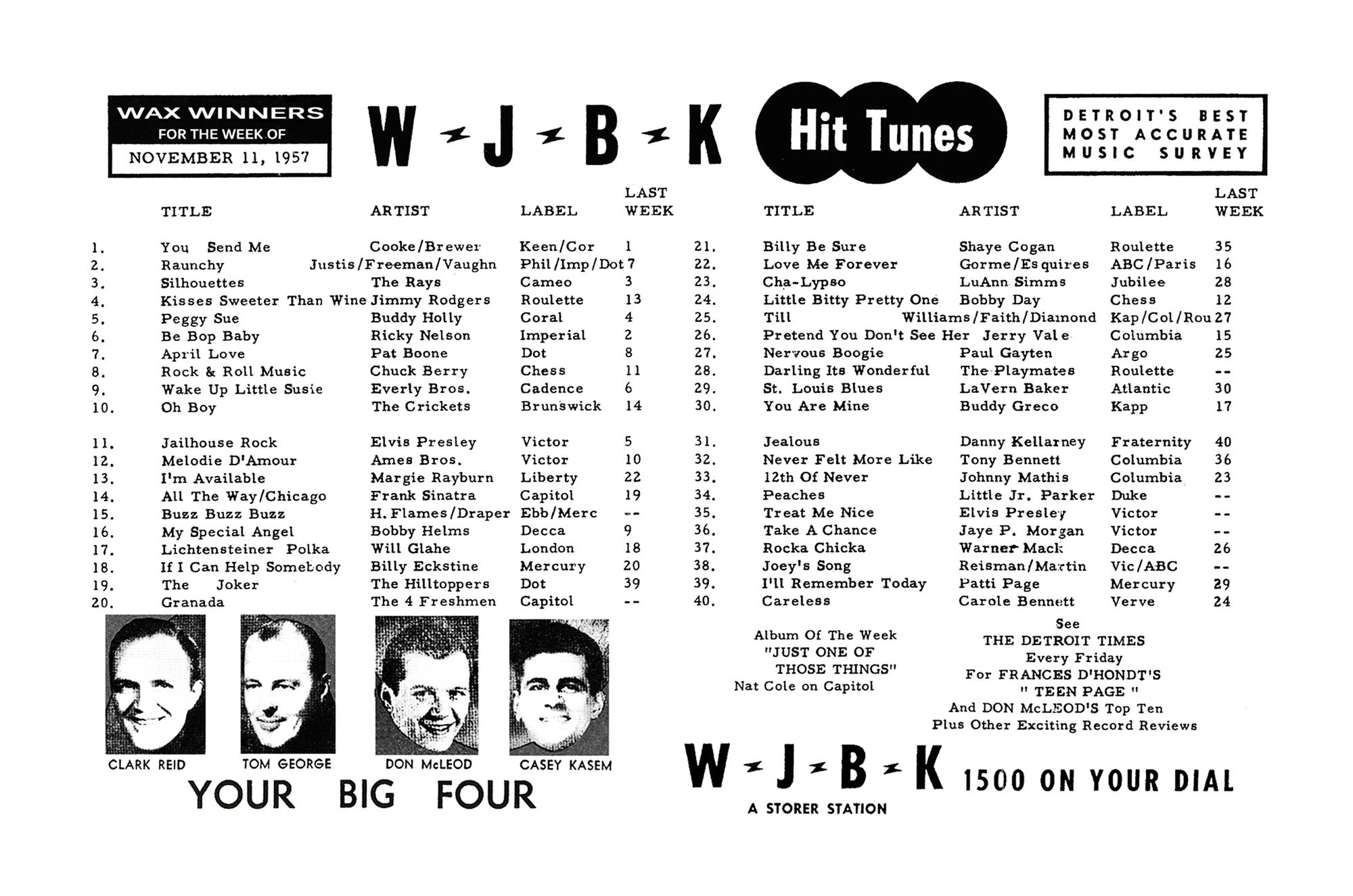
The WJBK FORMULA 40 hits was compiled, tabulated and produced by Radio 1500’s Bob Martin and Rosemary McGann.
This survey was tabulated overall by each record’s popularity and its appeal, sales, listener requests and record airplays based on the judgement of WJBK Radio.
*****
Previewed for the week of November 11, 1957
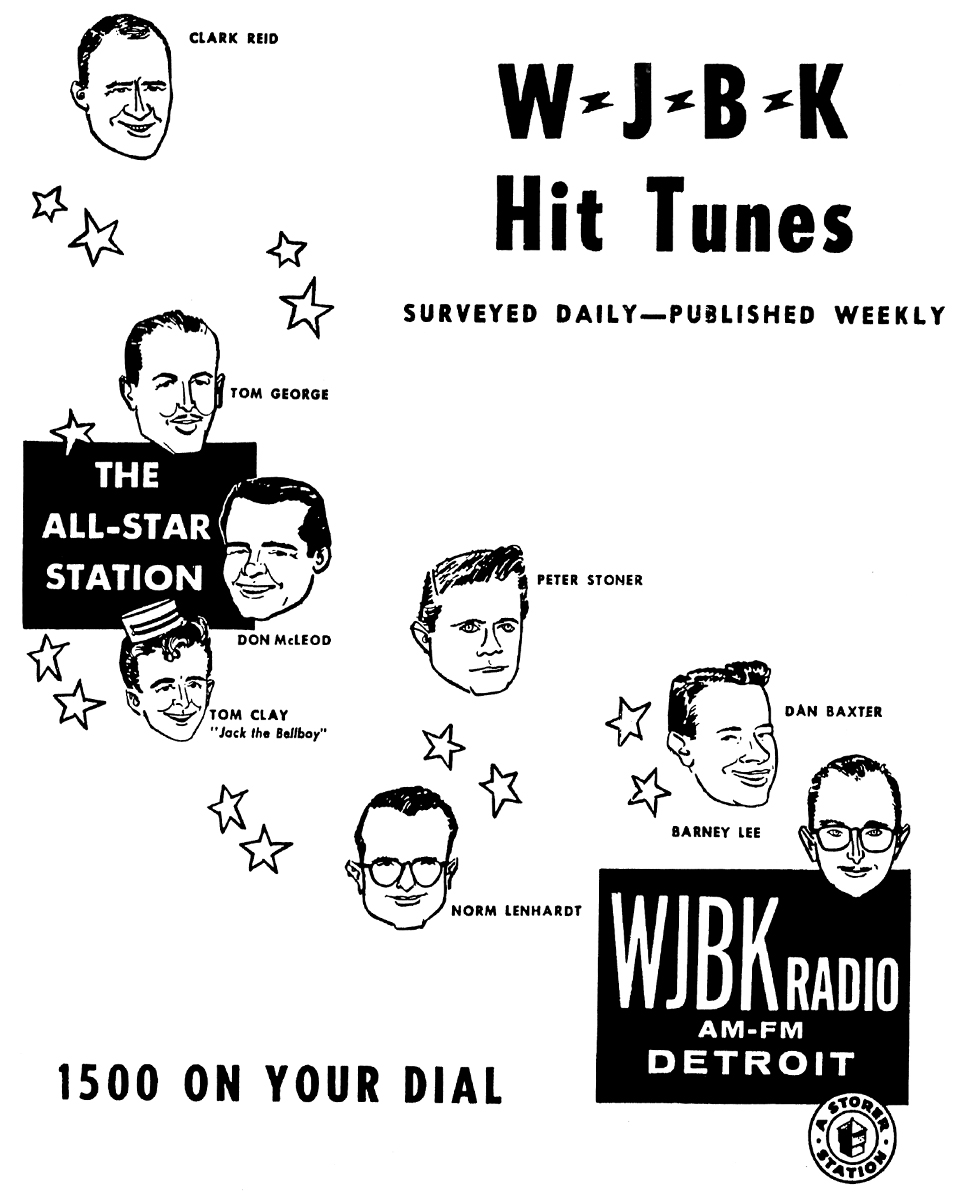
Note: By year’s end, 1957, Casey Kasem was no longer at WJBK 1500. Kasem left Detroit for Buffalo’s WBNY, New York, in November 1957. To fill Kasem’s departure, Dan Baxter became the new replacement. Baxter was hired for the all-night shift on WJBK.
Eventually, by early-1958 Tom Clay would fill the time slot allocated the same hours Casey Kasem held prior his exit on WJBK.

A MCRFB VIEWING TIP
ON YOUR PC? To fully appreciate this WJBK Formula 40 Music Survey for the week of November 11, 1957 chart feature click on image 2x and open to second window. Click image anytime to return to NORMAL image size.
Click your server’s back button to return to MCRFB home page.
On your mobile device? Tap on chart image. Open to second window. “Stretch” chart across your device screen to magnify for largest print view.
— In Memory of George Griggs —
___
Above WJBK music chart courtesy of Mrs. Patti Griggs and the George L. Griggs estate.


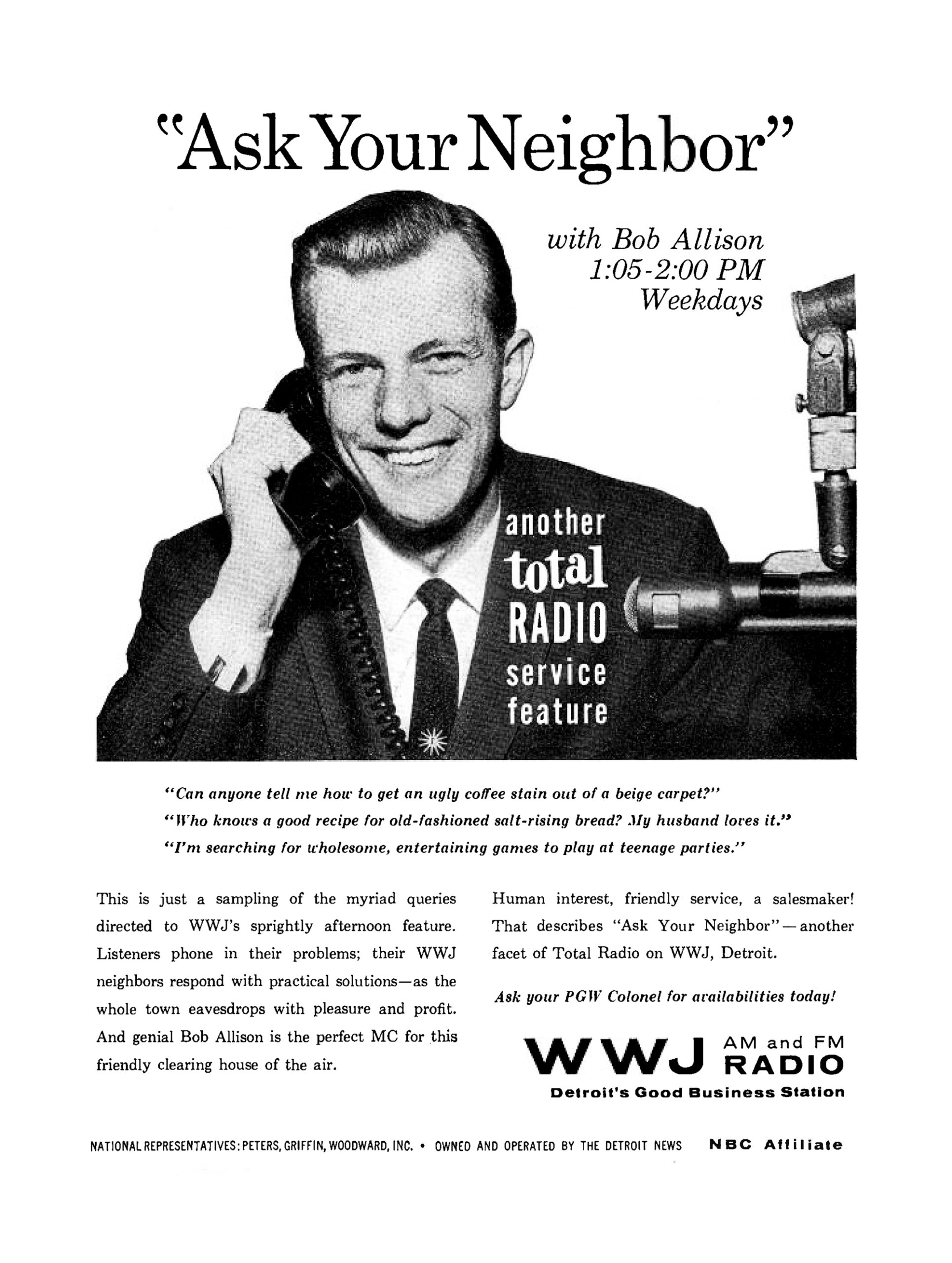
On your mobile device? Tap on image. Open to second window. “Stretch” news print across your device screen to magnify for largest print view.


On your mobile device? Tap on image. Open to second window. “Stretch” news print across your device screen to magnify for largest print view.